What Is the Best Type of Electric Water Heater in 2026?

Choosing the best electric water heater in 2026 depends on more than its purchase price. Household size, hot-water use, climate, available space, and electricity rates all matter. The U.S. Department of Energy’s Energy Saver guidance reports that heat pump water heaters can be two to three times more energy-efficient than conventional electric-resistance models. That difference can show up in monthly bills, especially in homes that use hot water throughout the day.

The main options include standard tank, tankless, and heat pump models. A resistance tank is often straightforward to install and can suit a tight budget. Tankless units save storage space, but their output must match simultaneous demand. Heat pump models can deliver strong efficiency, yet they need suitable installation space and conditions. ENERGY STAR’s product guidance also emphasizes comparing certified models and their estimated energy costs—not just the label price. Numbers are useful. They are not the whole story.

Water-heating specialist Gary Klein is known for emphasizing the hot-water system as a whole, including pipes and delivery distance, rather than judging the heater alone. That perspective is practical: a high-efficiency unit cannot prevent wasted water in a long, poorly insulated pipe run. The comparison is not perfectly tidy, either; household patterns and local utility rates can change the result. This guide examines the trade-offs, helping readers identify which electric water heater fits their home, budget, and daily routine.
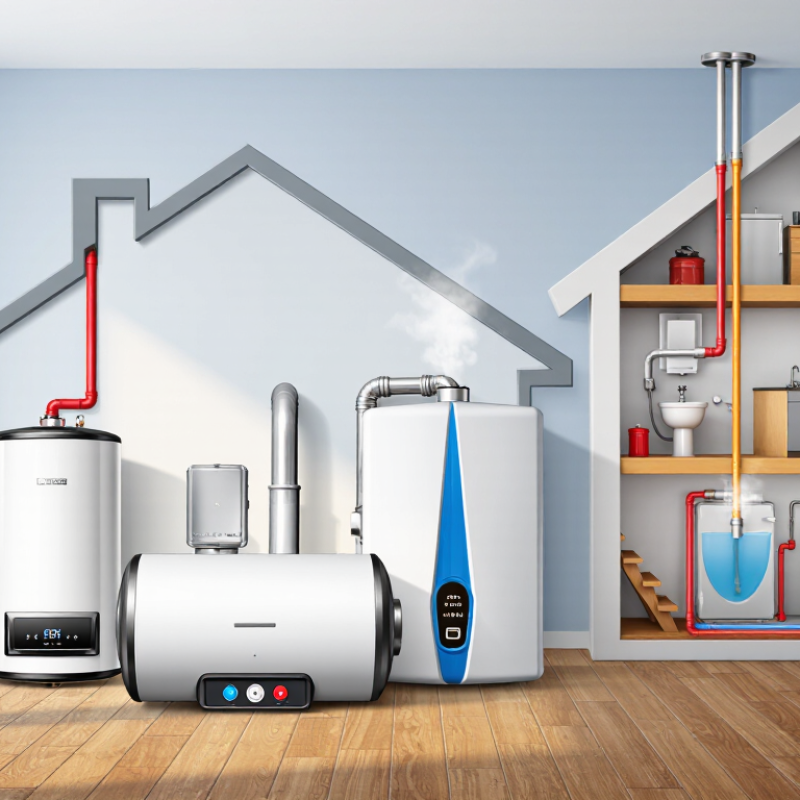
What Is the Best Type of Electric Water Heater in 2026?

Main Types of Electric Water Heaters Available in 2026

The main electric water heater types in 2026 serve different household patterns. A storage-tank model heats water in an insulated tank, commonly holding 30 to 80 gallons. It is familiar and usually straightforward to install, but standby heat loss continues between uses. A tankless electric unit heats water as it flows through the heating element. It saves space and avoids storing hot water, yet flow can drop when several showers or appliances run together. That trade-off matters.

Heat-pump water heaters move heat from surrounding air into a tank, rather than creating all heat directly. They can use less electricity, but need suitable space, airflow, and a drain for condensate. Their fan may also be noticeable in a quiet utility room. Small but useful.

Some hybrid models switch to resistance heating when demand rises, though electricity use can then increase.

Point-of-use electric heaters are compact options for a distant sink or small room. They reduce the wait for hot water, but are not usually a whole-home solution. Compare household demand, local climate, electrical capacity, installation space, and purchase cost before choosing.

A cold basement may reduce heat-pump performance; a busy family may outgrow a small tank. Check sizing guidance and have a qualified installer confirm wiring and circuit requirements. No type suits every home, and my first estimate of daily demand might be wrong.

How Electric Water Heaters Work and Differ

Electric water heaters differ in how they create and deliver heat. A standard storage tank uses electric resistance elements to warm water, then keeps it hot in an insulated cylinder. It is simple, but standby heat loss still occurs. A heat pump water heater moves heat from surrounding air into the tank instead of generating all heat directly. The U.S. Department of Energy’s Energy Saver guidance says heat pump models can be two to three times more energy efficient than conventional electric resistance models. ENERGY STAR reports that certified heat pump water heaters can use up to 70 percent less energy than standard electric models. These figures use different comparisons and conditions, so they are not guarantees for every household. Heat pumps also need suitable space and airflow; they can cool a small utility room.

Electric tankless heaters warm water as it flows through heating elements. No storage tank. But high flow rates can exceed a unit’s capacity, especially when several showers or taps run together. A tank can supply stored hot water during demand peaks, though its recovery rate matters. The best fit depends on household use, incoming water temperature, available electrical service, and installation space—not efficiency figures alone. Sizing is easy to underestimate. Check a unit’s flow or recovery specifications against real routines, such as a morning shower running while the dishwasher fills.

What Is the Best Type of Electric Water Heater in 2026? — How Electric Water Heaters Work and Differ

Comparison Electric Storage Tank Electric Tankless Heat Pump (Hybrid) Point-of-Use Electric
How it works Electric resistance elements heat water held in an insulated tank. Electric elements heat water as it flows through the unit; there is no large storage tank. A heat pump transfers warmth from surrounding air into the water. Many models include resistance elements for backup or higher demand. A small resistance-heated tank or tankless unit supplies a nearby fixture or appliance.
Energy use Uses electricity to heat stored water and can lose some heat while water sits in the tank. Avoids most storage standby losses, but its efficiency depends on the model and usage pattern. Typically uses less electricity than a standard resistance tank because it moves heat rather than producing all of it directly. Can reduce heat loss in long hot-water pipes when installed close to the point of use; it does not necessarily reduce total energy use in every home.
Hot-water delivery Provides a ready reserve, but the tank can run out during unusually high demand while it reheats. Can provide continuous hot water within the unit’s flow-rate and electrical-capacity limits. Multiple simultaneous uses may reduce flow or temperature. Provides stored hot water. Recovery may be slower in heat-pump mode; backup resistance heating can help meet higher demand. Best for a nearby sink, small bathroom, or other limited-demand location; usually not intended to serve a whole home.
Installation considerations Requires space for the tank and an electrical circuit sized for the model. Often requires substantial electrical capacity. A whole-home electric unit may need multiple high-amperage circuits or electrical-service upgrades. Needs adequate surrounding air volume and clearance. It cools and dehumidifies the space where it operates, so location and room conditions matter. Usually simpler to place near a fixture, but still needs an appropriately sized circuit and access for maintenance.
Main advantages Familiar design, straightforward operation, and stored hot water available for short periods of peak demand. Compact footprint and no tank to maintain at temperature between draws. Can substantially lower water-heating electricity use compared with conventional electric resistance storage when properly installed and operated. Can shorten the wait for hot water at a distant fixture and reduce water wasted while waiting for the hot line to warm.
Main trade-offs Standby heat loss and finite tank capacity; the tank occupies floor space. High electrical demand can make installation costly or impractical, and performance is limited by flow rate and incoming-water temperature. Usually costs more upfront and may not suit a cold, cramped, or poorly ventilated installation space. Limited capacity or flow; multiple units may be needed for several fixtures, adding equipment and circuit requirements.
Often a good fit for Homes seeking a simple replacement where the existing tank setup and electrical service are suitable. Homes with suitable electrical capacity, space constraints, and hot-water use that fits the unit’s output. Households seeking lower operating energy use and able to provide a suitable installation location. Remote fixtures, additions, or locations where reducing the wait for hot water is the main goal.
Overall takeaway A practical, familiar option, but generally less energy-efficient than a heat-pump model. A compact option, but electrical requirements and simultaneous demand should be assessed before choosing it. Often the strongest choice for energy efficiency among common whole-home electric options when the home and installation location are suitable. A targeted solution for localized hot-water needs rather than a universal whole-home replacement.

Note: Actual energy use, capacity, performance, and installation requirements vary by model, household demand, climate, incoming-water temperature, and local electrical conditions. Check the product’s certified efficiency rating and consult a qualified installer before selecting a unit.

Key Factors for Comparing Performance, Cost, and Efficiency

What Is the Best Type of Electric Water Heater in 2026?

Key Factors for Comparing Performance, Cost, and Efficiency

The best electric water heater depends on household use, installation space, and local energy costs. A standard storage tank is often simpler to install and can handle several showers in a row, if its capacity is suitable. A heat pump model typically uses less electricity, but needs a suitable indoor location and may recover hot water more slowly. Tankless electric units save space, yet a home may need substantial electrical capacity to support them. Small details matter.

Compare the full cost, not just the purchase price. Include installation, expected electricity use, maintenance, and the unit’s estimated service life. Check current efficiency information and calculate costs using your household’s actual electricity rate. A qualified installer can assess wiring, water demand, and available space. One estimate may not tell the whole story; ask what assumptions it uses.

Tips: Note how many people shower during peak hours, and measure the installation area. Compare models with similar capacity and efficiency ratings. If your household’s routine is unusual, standard estimates may miss the mark. That is worth checking.

Which Electric Water Heater Type Best Fits Each Household?

A standard tank heater suits households with steady, predictable routines. It stores hot water for several showers, laundry, and dishes, but can run low during a busy morning. A larger tank may help, though it also needs more floor space. For a small home with limited space, an electric tankless unit may be appealing. It heats water on demand. Yet simultaneous showers can exceed its output, and some homes may need electrical panel upgrades.

A heat pump water heater can suit a household seeking lower energy use and having room for a larger unit. It moves heat from surrounding air into the water, so placement matters. A cool, cramped utility closet may reduce its appeal; noise and condensate drainage also deserve a look. It often costs more upfront. The payback depends on local electricity rates and actual hot-water use, not just the efficiency label.

Small households, additions, or distant sinks may benefit from a point-of-use heater, which supplies one fixture without heating a long pipe run. It is not usually a whole-home solution. Match capacity to peak demand, available space, and electrical service. Ask an experienced installer to check the panel and expected flow before buying. I would not choose by efficiency alone. Household routines can be messy, and a heater that looks ideal on paper may disappoint at 7 a.m.

How to Choose the Right Electric Water Heater for Your Home

What Is the Best Type of Electric Water Heater in 2026?

Choosing the right electric water heater starts with your home, not a “best” label. Count how many people shower during the morning rush, and note whether laundry runs at the same time. A 40- to 50-gallon tank may suit many households, but actual demand and recovery time matter. Check the space, too. A heat pump model needs room to move air and a suitable drain. Its fan may also be audible near a bedroom.

For lower energy use, compare heat pump water heaters with standard resistance tanks. The U.S. Department of Energy’s Energy Saver guidance says heat pump models can be two to three times more energy efficient than conventional electric resistance models. That advantage depends on installation conditions. Cool, cramped spaces can reduce performance, so ask an installer to assess room temperature, clearance, and condensate drainage. I would not choose by efficiency alone.

A resistance tank can be a practical fit where purchase budget, space, or simpler installation takes priority. Electric tankless models save storage space, but their high power demand may require an electrical-panel assessment. Ask a licensed professional to check wiring capacity, household peak demand, and local installation requirements before choosing. Get written estimates that include equipment, electrical work, and operating costs. Small details count. A heater that fits the closet but cannot meet your household’s peak demand is not the right fit.

Request More Information