China Best Fire Rated MDF Board Manufacturers?

Choosing a reliable manufacturer in China requires more than comparing prices or reading a fire-rated label. Fire Rated Mdf products can differ in core composition, thickness, density, surface finish, and tested performance. A board that suits a hotel corridor may not suit a cabinet beside a protected escape route. Details matter.

Fire scientist Dr. Guillermo Rein is a relevant expert on how materials behave in fires. I cannot verify a verbatim quotation from him here, so I will not invent one. The practical principle for this guide is: “Judge the tested board and its intended assembly, not the label alone.” That distinction is easy to miss. It matters.

This overview examines manufacturers through evidence buyers can check: current test reports, product specifications, quality-control procedures, and clear answers about the board’s intended use. Ask whether the report covers the exact thickness and finish being quoted. Request batch details and confirm which testing standard applies; ratings and documentation may not transfer between markets. A showroom sample feels solid, but it cannot prove fire performance. The paperwork must match the product.

No shortlist can replace project-specific review. Still, careful comparison can reveal suppliers who communicate clearly and support their claims with traceable documents. Some listings look convincing at first glance. Look closer.
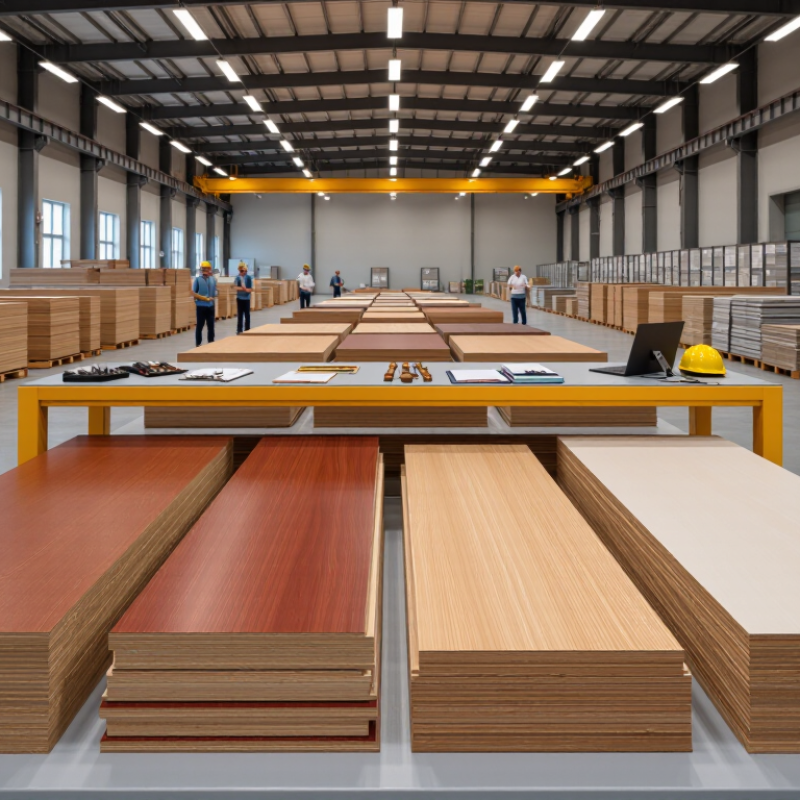
China Best Fire Rated MDF Board Manufacturers?

Understanding Fire-Rated MDF and Its Key Properties

Understanding Fire-Rated MDF and Its Key Properties

Fire-rated MDF is engineered to slow flame spread, not to make a room fireproof. Its performance depends on the board formulation, thickness, surface finish, and installation. ASTM E84-23a measures surface flame spread and smoke development. Under common International Building Code classifications, Class A corresponds to a flame-spread index of 0–25 and a smoke-developed index of 450 or less. These figures describe test results, not a guaranteed fire-resistance period. A board’s rating may change when coatings, joints, or fixing methods differ from the tested setup.

Look for the test standard, reported indices, board thickness, and intended use on the technical documentation. A certificate without those details is hard to assess. Also check whether the tested product matches the panel arriving on site; even small changes can matter. One detail is easy to miss: surface-burning classifications do not automatically establish the performance of an entire wall or ceiling assembly. That distinction deserves attention.

Tips: Ask suppliers for current ASTM E84 test documentation and installation guidance. Compare the exact product and finish, not just the “fire-rated” label. When details are unclear, pause and verify them with a qualified specifier.

How Fire-Rated MDF Is Manufactured and Tested

Fire-rated MDF is made by refining wood into fibers, then blending them with resin and fire-retardant additives. The mixture is formed into a uniform mat. Heat and pressure bond it into a dense panel. Moisture levels, fiber distribution, and pressing conditions all affect consistency. Small variations matter.

After conditioning and sanding, samples are checked for thickness, density, and surface quality before fire testing. Depending on the applicable standard, tests may measure ignition, flame spread, heat release, or smoke production. Some tests use a small burner; others expose panels to controlled radiant heat. Results apply to specific board thicknesses and configurations, not every MDF product. That distinction is easy to miss.

A reliable assessment also considers installation details, including joints, fixings, and the surface finish. A panel can perform differently when fitted into a complete wall or door assembly. Test reports should identify the sample and method clearly. Fire-rated does not mean fireproof. Standards vary by market, and interpreting them can be less straightforward than expected.

One imperfect detail is that production checks cannot replace independent testing of representative samples.

Fire Safety Standards for MDF Boards in China

China’s fire-safety framework uses the GB 8624 standard to classify the reaction-to-fire performance of building materials. For MDF, check the documented classification rather than relying on “fire rated” wording in a sales description. The required class depends on the building, room, and project specification.

A useful test report identifies the board’s thickness, density, surface finish, and test method. Details matter. A bare sample may perform differently from a panel with decorative laminate or coating. Ask whether the tested construction matches the product being supplied, including its edges and installation conditions. Fire-retardant MDF may slow ignition or flame spread under tested conditions, but it is not fireproof.

For a China-based project, verify that the report is traceable and issued by a qualified testing laboratory. Check its scope and confirm that the supplied product matches the tested specification. Keep the documentation with the project records. A label alone can be misleading. If the required classification is unclear, ask the project designer or fire-safety professional to confirm it before installation.

How to Evaluate Fire-Rated MDF Manufacturers in China

A reliable fire-rated MDF supplier should provide more than a certificate. Ask for a complete test report from an accredited laboratory, and check the tested thickness, density, surface finish, and board composition. Confirm that the tested product matches the batch you intend to buy. A result for a coated panel may not apply to an unfinished board. Small detail, big difference.

FAO’s 2022 forest-products statistics put global wood-based-panel production at roughly 400 million cubic metres. That scale makes factory capacity an easy selling point, but not proof of consistent fire performance. Review production controls, batch traceability, and records of repeat testing. Check which classification system the report uses, such as EN 13501-1 or ASTM E84, and verify that it suits your project’s requirements. Also ask how the manufacturer controls formaldehyde emissions and moisture content. I would revisit these checks after any change in resin, facing, or production site; paperwork can lag behind the product.

China Fire-Rated MDF Manufacturers: How to Evaluate Test Evidence

Commonly specified fire-resistance periods for tested building assemblies (minutes)

These are common rating periods, not test results for MDF boards. When evaluating a manufacturer, request a current accredited-laboratory report and confirm that the tested assembly matches the proposed board thickness, construction, joints, and installation. Fire-resistance ratings apply to the tested assembly, not automatically to the board alone. Reference methods include ASTM E119 and UL 263.

Applications and Purchasing Factors for Fire-Rated MDF

Fire-rated MDF is used for wall linings, door components, reception counters, and built-in furniture where a specified fire performance is required. FAO’s 2022 Forest Products Yearbook reports global wood-based panel production at about 400 million cubic metres. That figure covers many panel types, not fire-rated MDF alone, but it shows the scale of panel use in construction and interiors.

Purchasing should start with the project’s required classification and test method. Ask for a current report covering the exact board thickness, surface finish, and intended installation. A fire-rated core can perform differently when cut, coated, or fitted into an assembly. Check whether the rating applies to the board itself or to a complete wall or door system. Small distinction. Big consequences.

Also compare density, dimensional tolerance, moisture conditions, machining quality, and emissions documentation. For a busy corridor, inspect sample edges after cutting; chipped corners can complicate installation and finishing. Confirm that the supplier can provide consistent batches and clear storage guidance. Price matters, but replacing unsuitable boards wastes time. I would still verify every certificate with the issuing test laboratory; paperwork can look convincing without answering the site’s actual requirements.

Request More Information