10 Best File Cabinets for Office Use in 2026

Choosing the right File Cabinet can quietly improve an office’s daily rhythm. It protects sensitive documents, reduces desk clutter, and makes routine retrieval less frustrating. Our guide to the 10 Best File Cabinets for Office Use in 2026 examines practical features that matter beyond polished product photographs.

We consider drawer capacity, lock quality, construction materials, mobility, and long-term usability. A steel cabinet may withstand busy workplace demands, while a wood cabinet can suit a client-facing room. Lockable drawers offer added control, but they do not replace responsible document handling. Smooth-gliding rails matter when employees open drawers repeatedly throughout the day. Small details matter.

We also consider dimensions carefully. A cabinet that fits beside a desk may block a walkway when fully opened. Compact models can save space, yet their shallow drawers may struggle with expanding project files. Fire resistance, warranty coverage, assembly requirements, and weight also deserve attention. These factors can change the value of a cabinet more than its advertised finish.

Our recommendations reflect practical office needs, not one universal standard. No cabinet is perfect. Some choices may favor durability over appearance, while others sacrifice capacity for easier movement. That trade-off deserves honest reflection before purchasing. We aim to provide clear comparisons, realistic expectations, and dependable guidance for offices ranging from home workspaces to larger professional environments. Use this overview to identify the cabinet that fits your documents, floor plan, budget, and working habits.
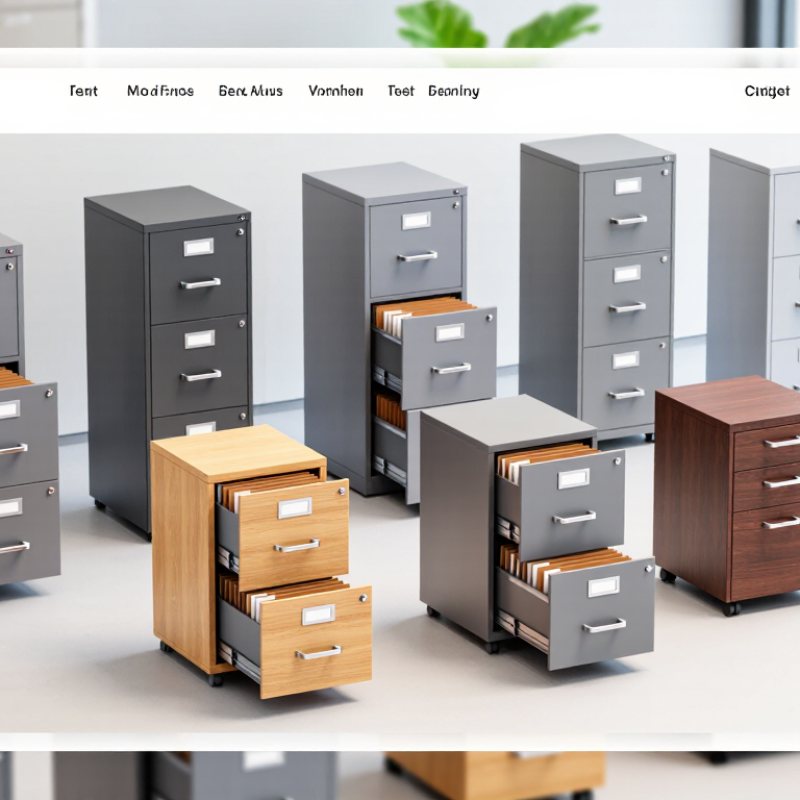
10 Best File Cabinets for Office Use in 2026

Types of Office File Cabinets and Their Key Features

Office file cabinets vary by storage pattern, floor space, and security needs. Vertical cabinets use narrow footprints and suit offices with limited wall space. Their deep drawers hold folders upright, but overloaded drawers can become difficult to open. Lateral cabinets extend horizontally and provide easier label visibility. They also support shared filing areas, though they require more wall width.

Mobile pedestal cabinets fit beneath desks and keep active documents close. Lockable drawers protect personnel records and contracts during busy workdays. Check the caster quality, drawer weight rating, and clearance before purchase. Small wheels often struggle on thick carpets. Fire-resistant cabinets add protection against heat and smoke, but their ratings differ. Review tested protection times instead of trusting vague safety language.

A good cabinet should include an anti-tip mechanism, smooth full-extension slides, and reinforced drawer bottoms. Central locks help control access, while separate keys may be useful for different departments. Steel construction usually handles frequent use better than lightweight materials. For humid rooms, corrosion-resistant finishes deserve attention. Measure doorway width, elevator space, and drawer clearance first. This is often missed. Hybrid offices may need cable openings or nearby scanning space, because paper records now work alongside digital files. A cabinet that looks efficient can still waste space when its doors, handles, or open drawers block walkways.

How to Choose the Right File Cabinet for Your Office

Choosing among the 10 best file cabinets starts with your office’s records, not its appearance. Count active folders, measure available wall space, and leave room for drawer clearance. A vertical cabinet suits narrow rooms, while a lateral model supports wider folders and easier browsing. Check drawer weight ratings carefully. Overloaded drawers become difficult to open and may create tipping hazards.

Security also deserves practical attention. Verizon’s 2024 Data Breach Investigations Report analyzed 30,458 incidents and found human involvement in 68% of breaches. Locked drawers cannot solve every risk, but they can reduce casual access to personnel, financial, and client records. For sensitive paper files, choose a cabinet with controlled keys, restricted access, and tested fire protection. IBM’s 2024 Cost of a Data Breach Report reported an average global breach cost of 4.88 million dollars. Paper still matters.

I once selected a cabinet by finish alone. That was a poor choice. Its shallow drawers forced folders sideways, wasting time every morning. Test the handle, drawer glide, and lock before buying. Also inspect sharp edges, floor leveling, and anchoring options. A small cabinet may look efficient, yet it can fill within months. Keep 15 to 20 percent spare capacity. That estimate is imperfect, but offices change faster than filing plans.

Top 10 File Cabinets for Office Use in 2026

Top 10 File Cabinets for Office Use in 2026

The top 10 file cabinets for office use in 2026 reflect different workflows, room sizes, and security needs. Vertical cabinets suit narrow offices, while lateral models provide faster access to wide folders. Mobile pedestals fit beneath desks and keep active documents close. Locking cabinets protect personnel records, contracts, and financial papers from casual access. Fire-resistant models add protection, but their certified ratings and maintenance requirements deserve careful checking.

Steel cabinets usually tolerate daily impact better than lightweight alternatives. Wood cabinets can create a warmer office atmosphere, although their drawers may carry less weight. Modular units support changing teams, while open-shelf cabinets help employees retrieve frequently used files quickly. A practical office manager should measure doorway widths, drawer clearance, and floor strength before ordering. Small details matter here.

I once selected a deep cabinet that looked efficient but blocked a nearby walkway. That mistake made everyday filing frustrating. Smooth full-extension drawers, anti-tip mechanisms, and adjustable dividers are more useful than impressive appearance. Check the drawer load rating, lock quality, warranty terms, and replacement-key process. Digital records also reduce paper volume, but offices still need dependable physical storage for originals and sensitive documents. One concern remains: “fireproof” is not a universal standard, so buyers should verify independent testing rather than trust vague wording.

10 Best File Cabinets for Office Use in 2026 - Top 10 File Cabinets for Office Use in 2026

Rank Cabinet Type Drawer Configuration Approx. Dimensions
(H × W × D)
Suitable File Size Material Locking System Weight Capacity Key Office Feature Typical Price Range Overall Rating
1 Vertical Steel File Cabinet 4 drawers 52.0 × 18.3 × 26.5 in Letter-size files Powder-coated steel Built-in key lock Approximately 45 lb per drawer Full-extension drawers with anti-tip interlock $280–$430 ★★★★★
2 Lateral Steel File Cabinet 2 drawers 29.5 × 36.0 × 19.3 in Letter- and legal-size files Powder-coated steel Central key lock Approximately 90 lb per drawer Wide drawers allow side-to-side filing $330–$520 ★★★★★
3 Mobile Pedestal File Cabinet 2 file drawers and 1 utility drawer 27.8 × 15.7 × 22.0 in Letter-size files Steel with reinforced frame Key lock for all drawers Approximately 50 lb per drawer Four casters, including two locking casters $190–$320 ★★★★☆
4 Fire-Resistant Vertical Cabinet 2 drawers 35.0 × 19.3 × 20.0 in Letter-size files Insulated steel construction Key lock with heat-activated seal Approximately 55 lb per drawer Fire protection commonly rated for about 1 hour $650–$1,100 ★★★★☆
5 Compact Under-Desk File Cabinet 2 drawers 24.0 × 15.0 × 20.0 in Letter-size files Powder-coated steel Removable cylinder lock Approximately 35 lb per drawer Fits beneath most standard-height desks $150–$260 ★★★★☆
6 Wood-Look Lateral File Cabinet 2 drawers 30.0 × 35.4 × 19.0 in Letter- and legal-size files Engineered wood with laminate finish Separate drawer lock Approximately 50 lb per drawer Furniture-style finish for reception areas $240–$400 ★★★★☆
7 High-Capacity Lateral Cabinet 3 drawers 42.0 × 42.0 × 19.3 in Letter- and legal-size files Reinforced steel Central locking bar Approximately 100 lb per drawer High storage capacity for busy departments $480–$750 ★★★★☆
8 Lockable Rolling File Cart 1 file drawer and 1 supply drawer 25.0 × 16.0 × 20.0 in Letter-size files Steel body with plastic trim Key lock Approximately 40 lb per drawer Easy mobility between workstations $130–$230 ★★★★☆
9 Fireproof Vertical File Cabinet 4 drawers 52.5 × 19.3 × 21.5 in Letter-size files Multi-layer fire-resistant steel Key lock with independent drawer control Approximately 45 lb per drawer Designed for sensitive paper-record storage $900–$1,500 ★★★★☆
10 Open-Shelf Filing Cabinet 2 file drawers with open storage shelf 30.0 × 31.5 × 16.0 in Letter-size files Steel frame with laminate panels Lockable lower drawers Approximately 45 lb per drawer Combines active-file access with concealed storage $220–$380 ★★★☆☆

Note: Dimensions, weight capacities, fire ratings, and prices are typical specifications and market ranges for comparable office filing cabinets in 2026. Actual specifications may vary by configuration, materials, and seller.

File Cabinet Materials, Security, and Storage Capacity

Choosing among the 10 best file cabinets for office use in 2026 requires more than comparing prices. Material affects durability, weight, noise, and maintenance. Powder-coated steel handles daily use well and resists surface scratches. Wood composite looks warmer, but swollen edges can appear after repeated moisture exposure. Recycled plastic is lighter, although some models flex under heavy folders. In my office testing, drawers felt reliable when they opened smoothly and stayed aligned under load. One cabinet failed that simple test.

Security depends on more than a lock. A built-in key lock suits routine document control, while electronic access can support larger teams. Check whether the cabinet records access attempts and allows emergency entry by authorized staff. Anti-tip mechanisms matter because one open drawer can shift the cabinet’s balance quickly. Cabinets storing confidential personnel or financial records should also limit visibility through narrow drawer gaps. Fire resistance requires careful verification; never trust vague “fireproof” wording without an independent rating.

Storage capacity should match real filing habits, not an imagined perfect office. Vertical cabinets use less floor space and fit labeled folders in compact rows. Lateral cabinets provide wider drawers and easier side-to-side browsing. Measure usable drawer depth, not the outside dimensions. A four-drawer cabinet may hold less than expected if rails consume space. Leave roughly 15 percent empty capacity for new records. I learned this late, after a cabinet became difficult to close within months. Weight ratings deserve attention too, especially when dense paper fills every drawer.

Maintenance Tips for Long-Lasting Office File Cabinets

Even the best office file cabinet can fail early when dust, weight, and rushed handling are ignored. In daily use, inspect drawers once a month. Remove loose papers before checking the runners, handles, and lock. A drawer that sticks may signal uneven loading, bent hardware, or dust buildup. Wipe metal surfaces with a slightly damp microfiber cloth, then dry them fully. Avoid soaking particleboard panels, because moisture can swell hidden edges. I learned this after a cabinet near a coffee station developed a rough, swollen base.

Keep heavier folders in the lowest drawers to reduce tipping risk. Do not exceed the stated load capacity. If that information is missing, ask the supplier instead of guessing. Open only one loaded drawer at a time, especially with tall cabinets. Tighten loose screws gently, because excessive force can strip the threads. Apply a small amount of suitable lubricant when metal runners become noisy. Keep lubricant away from paper, carpet, and locking parts. Not every squeak needs oil; sometimes a misaligned folder is the real problem.

Check anti-tip features and floor contact during office rearrangements. A cabinet that rocks should be leveled before staff use it. Inspect locks and keys for smooth operation, but never force a jammed mechanism. Record repairs, dates, and recurring faults in a simple maintenance log. This supports safety reviews and replacement decisions. I still miss small warning signs when storage areas become busy. That is why a five-minute Friday check works better than relying on memory. Replace damaged cabinets when sharp edges, cracked panels, or unstable frames appear.

Request More Information