10 Best Office Furniture Liquidators for Global Buyers?

Buying second-hand desks, chairs, and storage systems across borders is rarely a simple price comparison. Office furniture liquidators can reduce capital costs, but global buyers must examine condition, documentation, shipping, and after-sales support. A polished showroom photo is not enough.

Fortune Business Insights’ 2024 Office Furniture Market report estimates the global market reached approximately US$54 billion in 2023. It also forecasts steady growth through 2032. Meanwhile, the Gensler Research Institute’s 2024 Global Workplace Survey highlights growing demand for flexible, choice-based work environments. These trends create opportunities for liquidated, refurbished, and surplus furniture. They also create quality risks. Not every low-cost product fits modern ergonomic expectations.

This guide reviews 10 office furniture liquidators serving international buyers. The comparison considers inventory depth, refurbishment standards, export experience, minimum order quantities, and transparent Incoterms. Buyers should also request recent product photographs, serial numbers, inspection reports, and packaging details. A chair may look excellent in a warehouse but arrive with compressed foam or scratched armrests. That happens.

We also consider practical details, including container loading, replacement parts, warranty terms, and compliance documentation. Certifications can vary by destination, so buyers should verify requirements independently. The strongest suppliers usually explain defects clearly rather than hiding them behind “as-is” language. This is not a perfect market. Pricing, stock, and shipping capacity can change within days. Still, careful screening can turn surplus inventory into a reliable workplace solution, especially for companies furnishing multiple sites with controlled budgets.
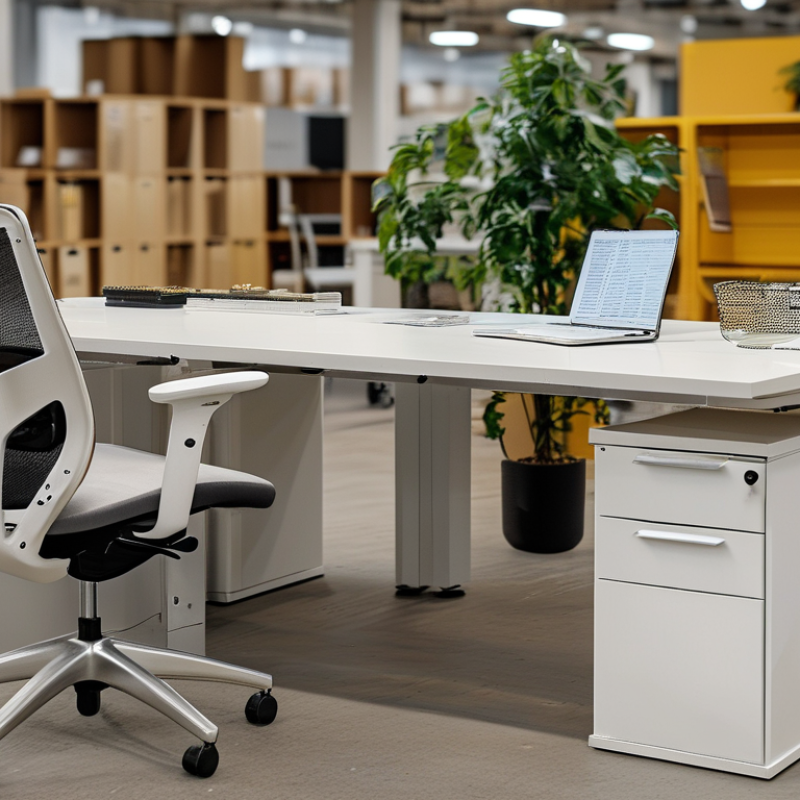
10 Best Office Furniture Liquidators for Global Buyers?

What Office Furniture Liquidators Do and Why Global Buyers Use Them

Office furniture liquidators acquire surplus, returned, discontinued, or gently used workplace items, then inspect, grade, repair, and resell them. Their warehouses may hold desks, task chairs, filing cabinets, meeting tables, and lighting from one site closure. For global buyers, this creates a practical second channel beyond new manufacturing.

A buyer can request dimensions, material details, photographs, serial records, and condition reports before approving a shipment. That discipline matters.

“Good condition” is not a technical standard.

The financial and environmental reasons are substantial. Grand View Research valued the global office furniture market at about USD 58.4 billion in 2023, showing the scale of workplace procurement. Meanwhile, the U.S. Environmental Protection Agency reported that furniture and furnishings generated 12.1 million tons of municipal waste in 2018, with about 80.2% landfilled.

Liquidation extends product life and can reduce disposal pressure, although reuse is not automatically sustainable. International buyers must still check packaging, moisture protection, electrical specifications, customs documentation, and replacement-part availability. Delivery may cost more than the chair.

CBRE’s 2024 workplace research also reported average office attendance of roughly 3.2 days per week across surveyed organizations, encouraging companies to reconsider fixed workstation quantities. Liquidators help buyers scale inventory gradually, especially for regional offices, temporary projects, and hybrid workspaces. Yet stock changes quickly, and matching 300 identical chairs may be unrealistic. That limitation deserves honest planning.

How to Evaluate Liquidators by Quality, Price, and Product Range

10 Best Office Furniture Liquidators for Global Buyers?

A reliable liquidator should be judged by evidence, not polished photographs. Inspect welds, drawer runners, laminate edges, and chair mechanisms. Ask for production dates, usage history, refurbishment records, and clear product dimensions. A 2024 Gensler Global Workplace Survey indicates that employees generally prefer spending about three days weekly in the office. This supports flexible inventories, including ergonomic seating, shared desks, acoustic panels, and compact storage.

Price requires a landed-cost calculation. Include packing, inland transport, ocean freight, duties, local delivery, assembly, and replacement parts. JLL’s 2024 Global Office Fit-Out Guide shows that office project costs vary substantially between cities. Therefore, a low unit price may become expensive after cross-border handling. Request a sample inspection before ordering a container. It may feel slower, but it reduces unpleasant surprises.

Tips: Compare at least three written quotations. Score quality, price, lead time, warranty, and range separately. Confirm whether “refurbished” means cleaned, repaired, or fully rebuilt. The 2023 Global E-waste Monitor recorded 62 million tonnes of electronic waste worldwide, with only 22.3% formally collected and recycled. Buyers should therefore verify responsible handling for powered desks, monitors, and lighting. Product range matters, but inconsistent stock can weaken future expansion. I would also leave room for imperfect judgment; photographs rarely reveal odors, fabric wear, or unstable packaging.

Ten Leading Office Furniture Liquidators for International Buyers

Ten Leading Office Furniture Liquidators for International Buyers

The global office furniture market was valued at about USD 58.1 billion in 2023, according to Grand View Research. This scale creates substantial surplus after relocations, mergers, and office closures. For international buyers, leading liquidators usually fall into ten practical groups: warehouse resellers, auction operators, decommissioning contractors, government-surplus sellers, manufacturer-overstock dealers, hotel-clearance specialists, corporate relocation firms, refurbished-furniture distributors, online liquidation marketplaces, and export-focused wholesalers.

Different strengths matter. Warehouse resellers often provide matching desks and chairs in volume. Auction operators may offer lower prices, but product condition varies sharply. Decommissioning contractors can supply complete workstations, cable trays, and storage systems from one site. Refurbishment distributors usually inspect mechanisms, replace damaged parts, and document repairs. The 2024 JLL Global Occupancy Planning Benchmarking Report shows that companies continue adjusting office footprints, creating recurring opportunities for used commercial inventory. Timing matters.

International buyers should request exact dimensions, pallet counts, loading photographs, production dates, and a written condition grade. The Global E-waste Monitor 2024 reports 62 million tonnes of electronic waste generated in 2022, reminding buyers to separate furniture from electronic equipment during clearance projects. Shipping also deserves careful review. A cheap chair becomes expensive after crating, port handling, duties, and inland delivery. I have seen specifications overlooked. That mistake is avoidable. Buyers should verify fire-safety documents, material declarations, repair records, and delivery terms before paying deposits. Data reports provide direction, but each warehouse still requires physical or video inspection.

How to Compare Shipping, Export Services, and Buyer Protection

10 Best Office Furniture Liquidators for Global Buyers?

Global buyers should compare liquidators beyond catalog prices. Shipping can change the final cost dramatically. Request a written quote showing packing, inland transport, port fees, insurance, and destination delivery. Ask whether furniture ships assembled or flat-packed. A single chair may need little space, but conference tables can increase container costs quickly. Confirm dimensions, gross weight, loading photos, and the estimated sailing schedule. Delays happen. Plan for them.

Export experience matters when purchasing used or surplus office furniture. Reliable suppliers should provide commercial invoices, packing lists, product descriptions, and origin details. Ask who handles export customs and which Incoterm appears on the contract. A customs broker at your destination can review the documents before payment. Some sellers sound confident but provide vague answers. That is a warning sign.

Tips: Compare at least three landed-cost quotes. Request a sample inspection report. Check wood, fabric, wheels, and electrical components separately. Use staged payments when possible, with the final balance linked to inspection or shipping documents. Confirm the claim period for shortages and damage. Photograph cartons when they arrive. Buyer protection is never perfect, and I would not assume a friendly email replaces written terms. A small deposit can still become expensive when responsibility is unclear.

How to Choose the Right Liquidator for Your Office Project

Choosing the right office furniture liquidator requires more than comparing prices. Global buyers should examine inventory quality, export experience, and communication speed. Ask for current photos, exact measurements, condition grades, and item counts. A reliable liquidator should explain whether furniture is used, refurbished, surplus, or sold as-is. Good records matter.

Request references from recent international office projects. Confirm packing methods, loading dates, shipping responsibilities, and delivery documents before paying. Clarify customs requirements with qualified local professionals, because regulations differ by destination. Compare written quotations carefully. A cheap desk can become expensive after repairs, missing parts, storage fees, or delayed transport. I have seen buyers focus on unit prices and overlook these practical costs. That mistake is understandable, but avoidable.

Tips: Order a small sample or inspection first. Use video calls to view large inventories. Check drawer movement, surface damage, cable ports, and chair mechanisms. Confirm replacement-part availability. Put every promise in writing, including warranties, refunds, and delivery deadlines. Ask direct questions when product photos look too perfect. Some imperfections are acceptable; hidden defects are not. Even careful buyers miss details, so keep a clear checklist and have a second person review the agreement.

Request More Information