2026 Best Wood Veneer Sheets for Global Buyers What to Know?
Wood Veneer Sheets have become a preferred choice for many global buyers. These thin layers of wood are attractive and versatile. They can elevate the aesthetic of various projects, from furniture to wall panels. However, selecting the best veneer can be overwhelming. With an array of options on the market, understanding wood properties is crucial.
Buyers should consider factors like grain patterns, thickness, and species. Different woods provide unique textures and colors. Some may find it challenging to distinguish between high-quality veneers and lower-grade options. This is where experience plays a key role in making informed decisions.
In addition, knowing the sourcing practices is essential. Ethical and sustainable sourcing guarantees reliability. Buyers may feel uncertain about the best places to purchase. Researching reputable suppliers with positive reviews can ease this concern. A little time spent understanding the market can save money and enhance project outcomes.
Understanding Wood Veneer Types and Characteristics
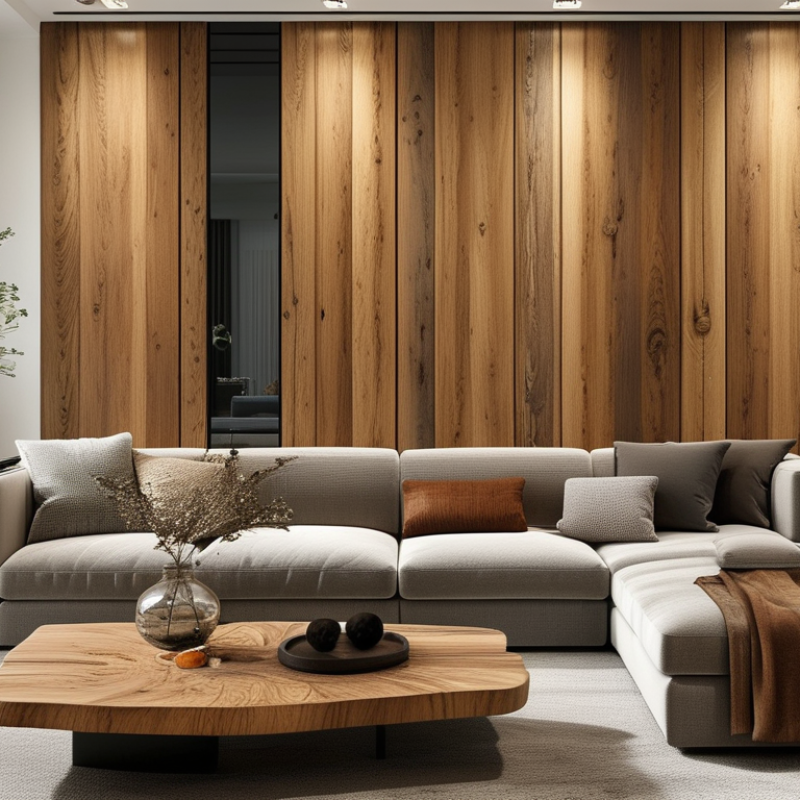
When it comes to wood veneer sheets, understanding their types and characteristics is crucial for informed choices. Veneers are thin slices of natural wood, often less than 3mm thick. They come in various types, each with unique aesthetics and uses. Common types include rotary cut, sliced, and sawn veneers. Rotary cut offers a wide grain pattern, while sliced veneers provide a more uniform look. Sawn veneers, on the other hand, retain more of the wood's natural texture, making them ideal for high-end projects.
Choosing the right veneer type depends on your project needs. For instance, if you're aiming for a modern look, rotary cut might be suitable. However, if you're working on furniture with intricate details, consider sliced or sawn veneers. Keep in mind that each type has different characteristics that affect durability and finishing options. Experimentation may be necessary to find the perfect match.
Tips to remember: Always check the wood grain pattern to ensure it complements your design. Consider the veneer’s stability and how it reacts to humidity. Also, test adhesive options on small samples to avoid costly mistakes. Sometimes, the best insights come from trial and error, leading to unexpected beauty in your work.
Factors to Consider When Choosing Wood Veneer Sheets
When choosing wood veneer sheets, several factors are vital. The type of wood significantly influences the aesthetic and functional qualities. Popular options include oak, walnut, and cherry. Each wood type brings a unique grain pattern and color. Consider your design goals. Do you want a classic look or something modern?
Thickness is another crucial consideration. Veneers typically range from 0.5 mm to 3 mm. Thicker sheets can offer better durability but may be harder to work with. Not all projects require heavy-duty options. Lighter veneers are ideal for intricate designs, while thicker ones suit larger surfaces.
Finish options also play a role. Some veneers have a natural finish, while others are pre-treated. The choice affects ease of use and final appearance. Always check for certifications, indicating sustainable sourcing. Mistakes can arise from overlooking these details. Taking time to evaluate your options will ensure a successful project outcome.
Top Manufacturers and Suppliers of Wood Veneer Sheets in 2026
The global market for wood veneer sheets continues to evolve. Buyers must be aware of the top manufacturers and suppliers to make informed decisions. In 2026, many options are available, but some stand out due to their reputation and reliability. These companies focus on sustainable sourcing and quality production processes.
It's essential to evaluate the certifications of suppliers. Reliable manufacturers prioritize eco-friendly practices. They often adhere to international standards, ensuring their products are sourced responsibly. Buyers should also look for transparency in the supply chain. Knowing where the wood originates is crucial. It reflects the company's commitment to sustainability.
However, not all suppliers maintain these standards consistently. Some may struggle with sourcing challenges or quality control issues. Researching supplier reviews and past project experiences can provide valuable insights. Buyers should seek out detailed product information and specifications. This helps avoid potential pitfalls associated with lower-quality veneers.
Sustainable Sourcing and Ethical Considerations in Wood Veneer
Sustainable sourcing of wood veneer is more crucial than ever. Consumers demand environmentally friendly options. Ethical considerations guide the choices made by manufacturers and buyers alike. Sourcing from well-managed forests is essential. These forests ensure a balance between harvesting and conservation.
Transparency in the supply chain matters. Buyers should inquire about the origins of the veneer. Certification from recognized bodies can provide some assurance. However, not all certifications guarantee ethical practices. Some certifications can be misleading. Understanding the practices of suppliers is vital.
The impact of unsustainable practices is profound. Deforestation leads to biodiversity loss. Local communities suffer when their resources are depleted. It's important to reflect on purchasing decisions. Are you supporting irresponsible sourcing? Choose options that promote sustainability and respect local ecosystems.
2026 Best Wood Veneer Sheets for Global Buyers
This chart illustrates the market interest level for different considerations regarding wood veneer sheets, providing insights into sustainable sourcing and ethical considerations that global buyers should keep in mind in 2026.
Application Trends for Wood Veneer Sheets Across Various Industries
Wood veneer sheets are gaining popularity across various industries. These thin layers of wood offer aesthetic appeal and versatility. Designers and builders are exploring innovative applications. In furniture design, wood veneers provide a high-end look while keeping costs low. They are often used in kitchen cabinets and office furniture, enhancing visual impact.
In the automotive industry, wood veneers create a luxurious ambiance in car interiors. They can be found on dashboards and door panels. This trend highlights a growing consumer preference for natural materials. However, sourcing sustainable veneers is essential. Not all veneers are created equal; some may harm the environment.
#### Tips:
Ensure that the wood veneer you choose promotes sustainability. Look for certifications that guarantee responsible sourcing. Always consider the grain patterns and colors to match your design vision. How you apply the veneer matters, too. Improper installation can lead to peeling and bubbling, which can diminish value and appearance.
2026 Best Wood Veneer Sheets for Global Buyers What to Know?
| Type of Wood Veneer | Common Applications | Thickness (mm) | Finishing Options | Environmental Certification |
| Oak | Furniture, cabinetry | 0.6 - 1.5 | Natural, stained | FSC Certified |
| Walnut | Luxury furniture, interior design | 0.5 - 1.2 | Oiled, lacquered | PEFC Certified |
| Maple | Cabinets, countertops | 0.7 - 1.5 | Painted, natural finish | SFI Certified |
| Cherry | High-end furniture, doors | 0.6 - 1.3 | Natural, semi-gloss | FSC Certified |
| Teak | Outdoor furniture, marine applications | 1.0 - 1.8 | Natural, weather-resistant finishes | FSC Certified |
