Top 10 Business Furniture Trends for Modern Offices in 2023
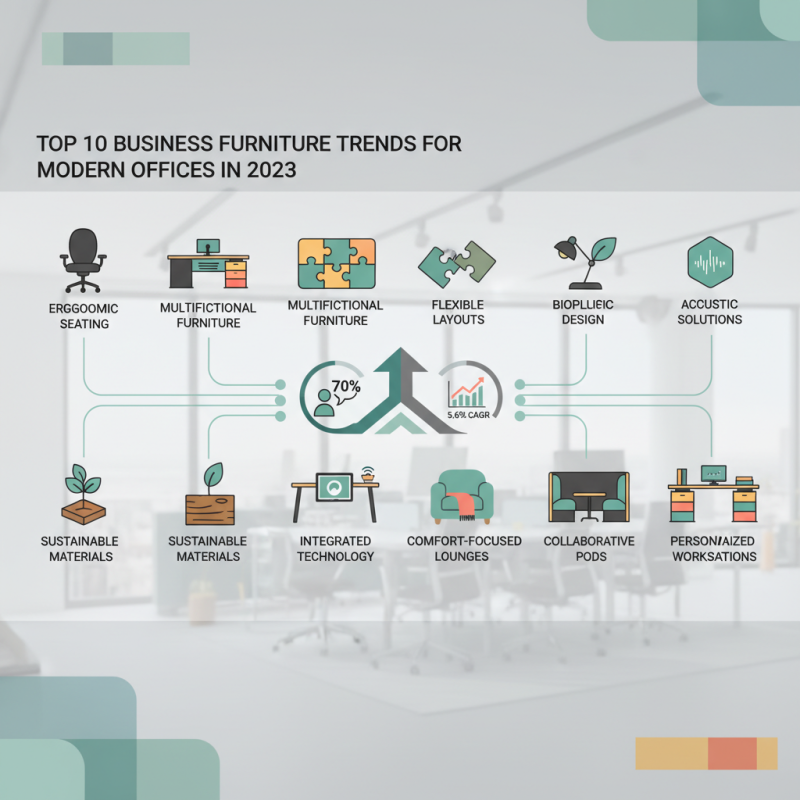
As we navigate through 2023, the landscape of modern offices continues to evolve, driven largely by the emerging trends in business furniture. A recent report by the Global Workspace Analytics stated that 70% of employees now prefer a flexible working environment that promotes both productivity and comfort. This pivotal shift underscores the significance of selecting the right business furniture, which not only enhances aesthetic appeal but also supports employee well-being and collaboration.
Additionally, the business furniture market is projected to grow at a compound annual growth rate (CAGR) of 5.6% from 2021 to 2028, as highlighted in the latest industry analysis by Market Research Future. This surge is indicative of the increasing investment by companies in ergonomic designs and multifunctional furniture that cater to diverse work styles. As organizations continue to prioritize employee engagement and satisfaction, understanding and implementing the top business furniture trends becomes essential for cultivating dynamic and efficient workspaces in 2023.
Top 10 Business Furniture Trends for Modern Offices in 2023
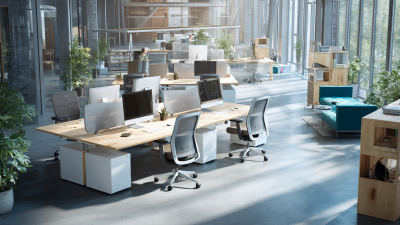
As we navigate through 2023, the workspace is evolving into an oasis of creativity and functionality, driven by innovative furniture trends that cater to the dynamic needs of modern offices. One of the most significant trends this year is the rise of biophilic design, which emphasizes the incorporation of natural elements into the workspace. Offices are increasingly adorned with plants, natural wood finishes, and organic shapes that create a calming environment, promoting well-being and productivity among employees.
In addition to biophilic elements, flexibility is a cornerstone of contemporary office furniture design. The prevalence of adjustable desks and modular seating arrangements enables companies to foster a more adaptable work environment, accommodating various work styles and group dynamics. This trend acknowledges the importance of employee comfort and choice, allowing individuals to seamlessly switch between sitting and standing or collaborate in shared spaces. Together, these trends highlight a significant shift towards creating workplaces that not only prioritize aesthetics but also enhance employee experience and drive organizational success.
The Shift Towards Ergonomic Designs: Enhancing Productivity and Well-being
The modern office landscape is witnessing a significant shift towards ergonomic designs, which are increasingly recognized as essential for enhancing both productivity and employee well-being.
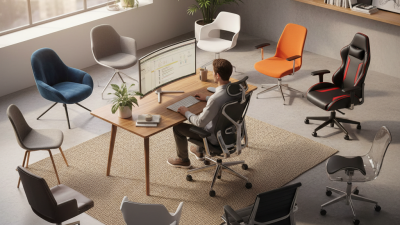
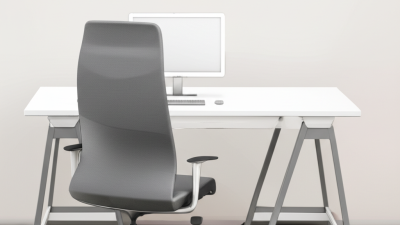
Ergonomic furniture, including adjustable desks, supportive chairs, and optimized workspaces, caters to the diverse needs of the workforce, enabling team members to maintain comfort throughout their day-to-day tasks.
By allowing employees to customize their workstations, companies are fostering an environment that reduces the risk of strain and injury while simultaneously boosting morale and engagement.
Investing in ergonomic designs is not only a matter of health but also a strategic move for businesses aiming to enhance productivity. Research has shown that comfortable work environments lead to improved focus and efficiency, reducing the time lost to discomfort or health-related issues.
By prioritizing ergonomic furniture, organizations are signaling their commitment to employee health, which in turn can lead to increased job satisfaction and retention rates.
This trend reflects a broader understanding of the link between physical workspace and overall workplace success, driving companies to rethink traditional office layouts in favor of a more adaptive and health-conscious approach.
Sustainable Materials in Office Furniture: A Growing Industry Standard
In 2023, the demand for sustainable materials in office furniture is becoming a critical industry standard. According to a recent report by the Global Sustainability Research Institute, nearly 70% of office designers and decision-makers consider sustainability a top priority when selecting furniture. This shift is driven by growing awareness of environmental issues and the desire of businesses to reduce their carbon footprint. Materials such as reclaimed wood, recycled metals, and eco-friendly textiles are increasingly being favored, aligning with corporate sustainability goals and appealing to environmentally conscious employees.
The market for sustainable office furniture is projected to grow significantly, with some estimates suggesting a compound annual growth rate (CAGR) of 9.4% from 2022 to 2030. This surge is partly due to regulations pushing for greener products, but also reflects a broader cultural shift toward sustainability. Companies are recognizing that investing in eco-friendly furniture not only enhances their brand image but also boosts employee wellbeing and productivity. In fact, a study published in the Journal of Sustainable Business found that workplaces furnished with sustainable materials can improve employee satisfaction by up to 30%, an essential factor as businesses strive to attract and retain talent in a competitive market.
Top 10 Business Furniture Trends for Modern Offices in 2023
| Trend |
Description |
Sustainability Rating |
Adoption Rate (%) |
| Biodegradable Materials |
Increase in furniture made from biodegradable substances. |
High |
30% |
| Upcycled Furniture |
Use of reclaimed materials to create new office solutions. |
Moderate |
25% |
| Ecolabel Certifications |
Popularity of products carrying recognized eco-friendly certifications. |
High |
40% |
| Modular Design |
Flexible and versatile furniture layouts that adapt to changing needs. |
Moderate |
35% |
| Natural Fibers |
Increased use of materials like cotton, wool, and jute in upholstery. |
High |
50% |
| Smart Furniture |
Integration of technology into desks and seating to enhance productivity. |
Moderate |
20% |
| Sustainable Sourcing |
Focus on responsibly sourced materials in manufacturing. |
High |
45% |
| Minimalistic Design |
Aesthetic simplicity with a focus on functionality and efficiency. |
Moderate |
55% |
| Ergonomic Solutions |
Design that promotes comfort and reduces strain during work. |
High |
60% |
| Biophilic Design |
Incorporating elements of nature into workspace designs. |
High |
50% |
Flexible Workspaces: Adapting Furniture for Hybrid Work Environments
In 2023, the rise of hybrid work environments continues to reshape office dynamics, compelling businesses to rethink their furniture strategies. Flexibility is the cornerstone of modern workspaces, evident in how furniture is being designed and utilized. According to a recent industry report, nearly 70% of companies anticipate a substantial shift toward hybrid models, where employees split their time between home and office. This trend necessitates multifunctional furniture solutions that can easily adapt to various work styles and collaborative needs.
One key consideration for creating flexible workspaces is the incorporation of modular furniture systems. These allow teams to rearrange their environments as projects evolve, fostering collaboration without disrupting workflow. Additionally, height-adjustable desks are increasingly popular, catering to health-conscious employees who value ergonomics. Studies show that 80% of employees report increased productivity when provided with ergonomic furniture options, showcasing the impact that well-designed workspaces can have on overall performance.
Tips for employers looking to adapt their office environments include prioritizing versatile furniture that supports both individual focus and team collaboration. Investing in acoustic solutions can help minimize distractions in open areas, enhancing concentration. Lastly, ensuring adequate storage options will help maintain a tidy and organized workspace, encouraging efficiency and creativity in a hybrid setup. Embracing these furniture trends will not only improve employee satisfaction but also prepare businesses for an adaptive future.
Smart Furniture Technology: Integrating IoT in Office Settings
The integration of smart furniture technology in modern office settings is revolutionizing the way we work. As companies strive to create more efficient and adaptable work environments, the Internet of Things (IoT) has emerged as a critical component. Smart furniture, equipped with sensors and connectivity features, allows employees to customize their workspace to enhance comfort and productivity. For instance, desks that adjust height automatically based on the user’s preferences or chairs that provide feedback on posture can significantly contribute to employee well-being.
Moreover, the data collected from these smart components can be invaluable for office management. By analyzing usage patterns and preferences, companies can optimize their space layouts, ensuring that each area is designed to support collaboration and individual work effectively. This not only enhances the employee experience but also improves overall operational efficiency. As the trend of remote and hybrid work continues, the need for flexible and intelligent office solutions will only grow, highlighting the importance of incorporating smart furniture technology into future workspace designs.
Conclusion
In 2023, the landscape of business furniture is rapidly evolving to meet the demands of modern offices. One of the most significant trends is the shift towards ergonomic designs, which prioritize employee productivity and well-being by reducing physical strain. Alongside this, the use of sustainable materials is becoming an industry standard, reflecting a commitment to environmental responsibility in furniture production.
Flexibility is also key, as hybrid work environments necessitate adaptable furniture that can easily transform spaces for various functions. Moreover, the integration of smart furniture technology, featuring IoT capabilities, is enhancing the functionality of office setups. Finally, collaborative spaces are gaining importance, with furniture designed to foster teamwork and innovation, creating dynamic and engaging work environments that support collaboration and creativity among employees.