How to Choose Executive Office Furniture That Enhances Productivity?
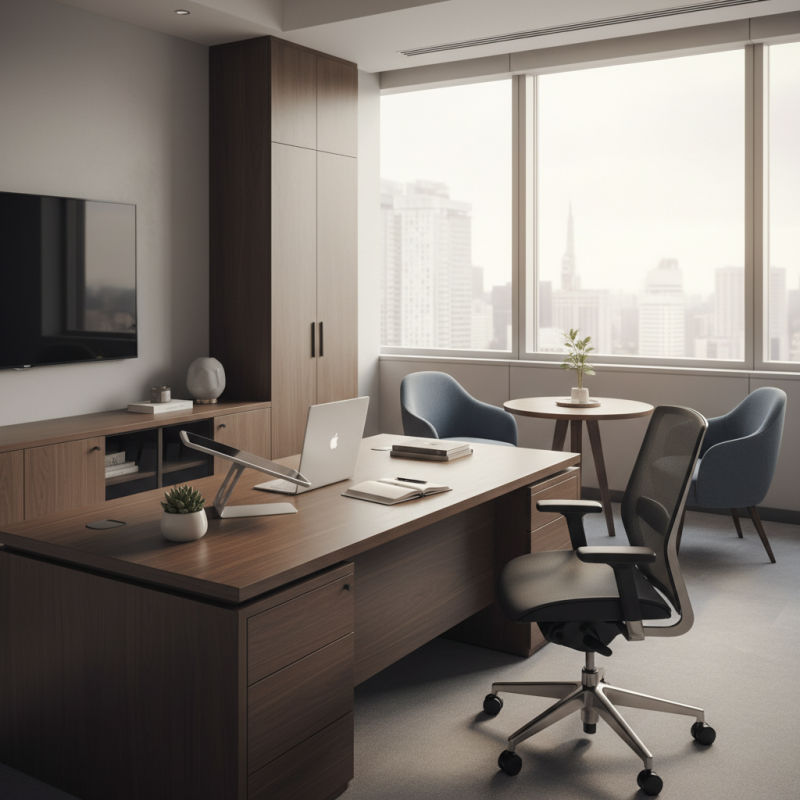
Choosing the right executive office furniture can significantly impact productivity. According to industry expert Jane Williams, “The right furniture promotes efficiency and a positive work environment.” When selecting executive office furniture, consider the balance between style and function.
A cluttered desk can hinder focus. Opt for pieces that encourage organization. Ergonomic chairs and desks are essential for comfort during long hours. However, many businesses overlook the importance of aesthetics. An office that feels good can boost morale and creativity.
Investing in quality executive office furniture is not merely a luxury. It’s a reflection of your business values. Choose wisely and remember, it’s about enhancing the workplace experience. Each piece should inspire productivity and collaboration.
Factors to Consider When Selecting Executive Office Furniture
Choosing the right executive office furniture significantly impacts productivity. A study from the International Ergonomics Association found that ergonomic furniture can improve efficiency by nearly 20%. Comfortable chairs and desks promote better posture and reduce fatigue. This translates into more focused work hours, which is particularly crucial in leadership roles.
Consider the layout of the office. Research from the Harvard Business Review indicates that open spaces can boost collaboration. However, too much noise can lead to distractions. You need to find a balance. Separating quiet zones from collaborative spaces works well. Use partitions strategically to minimize disturbances while promoting communication.
Color and design are also vital. A survey by the American Psychological Association shows that colors can influence mood and productivity. For example, blue hues are calming, while yellow can inspire creativity. Make furniture choices that reflect your brand while also creating a pleasant atmosphere. This attention to detail may seem trivial, yet it can lead to significant improvements in staff morale and productivity.
The Impact of Ergonomics on Productivity in Office Settings
Ergonomics plays a crucial role in enhancing productivity in office environments. The right executive office furniture can create a more comfortable workspace. Chairs that support the lumbar region and adjustable desks can significantly reduce discomfort. Employees who are physically comfortable tend to focus better on their tasks. This leads to improved efficiency and performance.
Workspaces often fail to consider the ergonomics of their furniture. Many employees suffer from fatigue due to inadequate seating or poor desk heights. When furniture does not suit an individual's needs, it may hinder their work. A collaborative approach to selecting furniture can identify what works best for each employee. Items like monitor stands can elevate screens, reducing neck strain.
Thoughtful investment in ergonomic office furniture can yield long-term benefits. Still, it requires ongoing evaluation and adjustment. Regular feedback from employees can help identify any shortcomings. Creating a flexible environment allows for continual improvement. Enhancing ergonomics is not just about furniture; it's about cultivating a healthier work culture.
Choosing the Right Materials and Styles for Executive Furniture
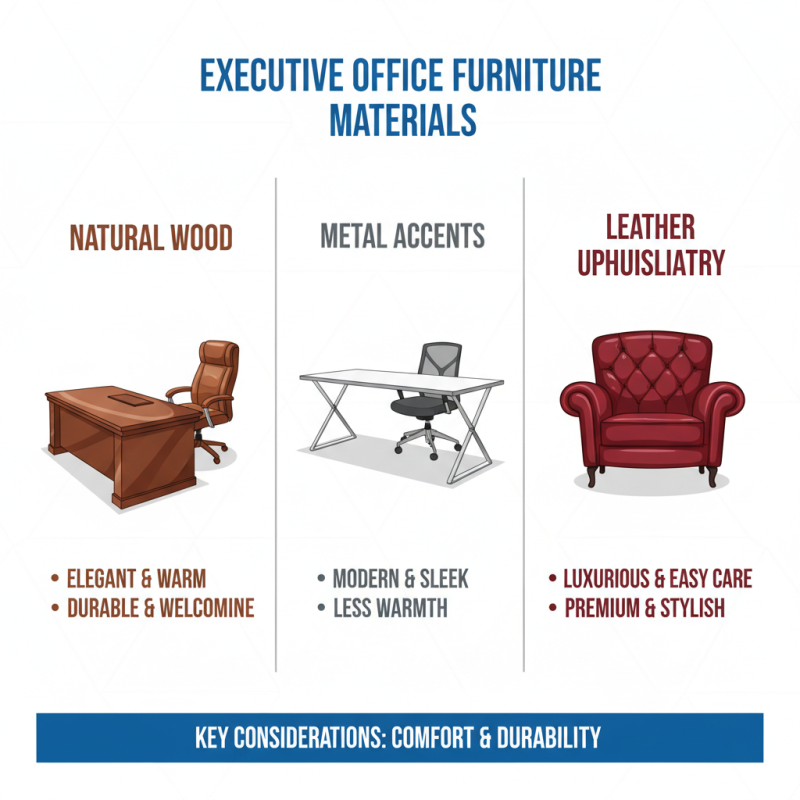
When selecting materials for executive office furniture, consider comfort and durability. Natural wood offers an elegant aesthetic. It feels warm and welcoming. Metal accents can add a modern touch. They provide a sleek look but may lack warmth. For upholstery, high-quality leather is often preferred. It’s luxurious and easy to maintain. However, it can be expensive and doesn’t suit every style.
Different styles impact productivity too. A minimalist design may enhance focus. Clutter-free spaces reduce distractions. On the other hand, bold colors can energize creativity. Think about how colors make you feel. Some people thrive in vibrant environments. Others may prefer neutral tones. It's crucial to balance aesthetics with functionality. Furniture should be ergonomic. Chairs must support long hours of sitting. Desks should allow for easy movement and organization.
Choosing the right furniture is a challenge. Everyone has unique preferences. Personalize office spaces to reflect individual tastes. Combining style with practicality is key. Test different setups before finalizing decisions. Evaluate how each material and style contributes to the overall atmosphere. Remember, making the perfect choice may require revisions over time.
Importance of Space Planning and Layout in Office Design
Effective space planning is crucial for a productive office. Research shows that well-designed spaces can boost productivity by up to 20%. The layout affects how teams interact and collaborate. Open areas can encourage communication, while private spaces provide needed focus. Finding the right balance is key.
Furniture arrangement plays a vital role. Desks should not be too far apart or too close together. Distances can impede communication or create distractions. Thoughtful layouts can enhance workflow. An efficient space uses zones tailored for different tasks—quiet corners for concentration and collaborative areas for brainstorming.
However, mistakes often occur. Ignoring employee needs can lead to disengagement. Not every layout works for every team. Regular feedback is necessary. It’s a dynamic process. Adapting space layouts based on changing workflows promotes ongoing productivity. Spaces should evolve with their occupants.
Impact of Office Furniture on Employee Productivity
Incorporating Technology into Executive Furniture Designs for Efficiency
In today’s fast-paced work environment, integrating technology into executive office furniture designs is vital. Studies show that well-designed workspaces can enhance productivity by up to 20%. Technology-infused furniture allows for better workflow and interactions. For instance, desks with built-in power outlets and USB ports reduce clutter and promote efficiency.
Consider ergonomic chairs that support both physical health and tech integration. Many designs now feature adjustable height settings. This flexibility ensures that users maintain good posture while accessing devices. The focus is not just on aesthetics but functionality. Research indicates that a comfortable workspace can decrease employee turnover by 10%, highlighting the importance of selecting the right furniture.
Tips: Opt for furniture that encourages collaboration. Tables equipped with smart screens facilitate brainstorming sessions. Ensure that the workspace accommodates movement. A variety of work areas can inspire creativity and concentration. Monitor how staff interact with technology in their environment and adapt as needed. Reflections on these aspects will guide better decisions in furniture choices.