How to Choose the Perfect Home Office Desk for Your Needs?
Choosing the right home office desk is crucial for productivity and comfort. Many remote workers spend over 40 hours a week at their desks, highlighting the importance of this decision. According to a recent survey by the International Ergonomics Association, 70% of home office users report discomfort due to improper desk choices. This data underscores the need for thoughtful selection.
Renowned workspace expert, Dr. Lisa Adams, emphasizes, "An ideal home office desk should enhance your posture and workflow." Her insights remind us that the wrong desk can lead to long-term issues, both physically and psychologically. Features such as adjustable heights and ample surface area are essential.
In addition, aesthetics play a role. A desk that fits your style can inspire creativity. Yet, the market offers vast options, which can be overwhelming. Considerations of size, storage, and materials should guide your choices. Reflect on what you truly need, not just what looks appealing.
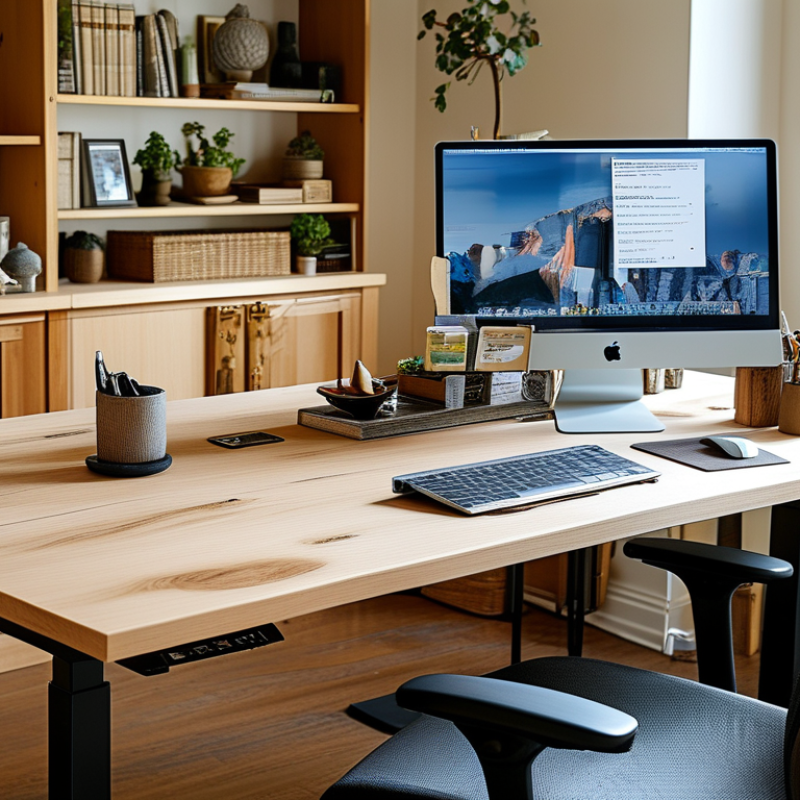
Understanding Your Home Office Needs and Space
When setting up a home office, understanding your needs and available space is critical. Research shows that 70% of remote workers feel more productive with a dedicated workspace. This productivity boost often hinges on the desk's suitability for your tasks and the overall layout of the room. A desk that is too large can dominate a small space, leading to a cramped feel. Conversely, a tiny desk in a spacious room may not support all your equipment comfortably.
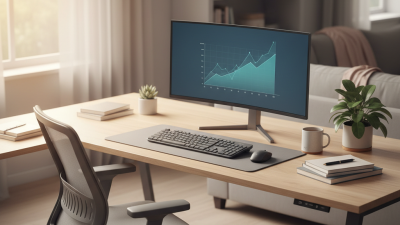
Assess your workflow before making a decision. For example, if you handle multiple monitors, you’ll need a larger surface. Studies indicate that 63% of remote workers require at least two screens to optimize efficiency. Besides size, consider the desk's height. Adjustable desks are popular, as 58% of professionals prefer them due to their ergonomic benefits. This flexibility allows for a healthier work posture, reducing fatigue and discomfort over long hours.
Don't overlook storage options. A desk with built-in drawers can help keep your space organized. It’s essential to reflect on your habits. If you tend to leave papers scattered, a designated place for documents is necessary. Remember, a cluttered workspace can hinder focus, leading to decreased productivity. Finding balance in your home office setup involves trial and error, and some adjustments may be needed to achieve the perfect arrangement that truly works for you.
Home Office Desk Features Preferences
Types of Home Office Desks: Pros and Cons
When choosing a home office desk, understanding the various types can help. Each style comes with unique benefits and drawbacks. For instance, standing desks encourage movement. They can improve circulation and focus. However, for some, they may become uncomfortable over long periods. Adjustability can be key but is not always present. A too-low or too-high desk can lead to strain.
Another popular option is a traditional writing desk. These desks provide ample workspace. They often complement home decor nicely. Despite this, they may lack storage solutions. This can lead to clutter and distraction. For those working with multiple devices, a more spacious desk might be necessary.
L-shaped desks offer an expansive work surface. They can accommodate numerous tasks at once. On the flip side, they require more space. In smaller homes, this may not be practical. A corner desk might provide a balance, using space efficiently while offering room to work. Ultimately, your needs dictate the right choice. Assess your workflow and environment before deciding. A desk is not just furniture; it shapes your productivity.
Key Features to Look for in a Home Office Desk
Choosing the right home office desk involves an understanding of essential features. An ergonomic design is crucial. Studies show that a well-designed workspace can boost productivity by up to 15%. Look for adjustable height options. This feature enables you to alternate between sitting and standing, enhancing comfort and reducing fatigue.
Storage solutions also play a significant role. Desks with built-in drawers or shelves help keep your workspace organized. According to data from the American Psychological Association, a clutter-free environment fosters better focus and creativity. Consider desks that provide ample surface area as well. A minimum of 48 inches in width is recommended to accommodate your computer, documents, and personal items.
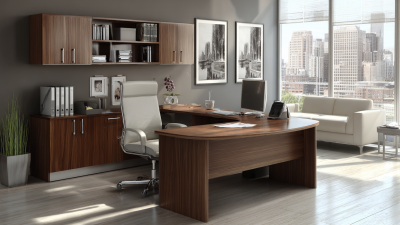
Finally, the material matters. Solid wood desks offer durability and a classic aesthetic, while modern materials like metal and glass can suit a contemporary style. Reflect on how the desk's look and feel align with your workflow. A desk that feels right can influence your daily productivity. The perfect desk combines functionality with personal taste, ensuring that it meets your specific needs.
Material and Aesthetic Considerations for Your Desk
When selecting a home office desk, material and aesthetic choices are crucial. A wooden desk can evoke warmth and stability. Metal desks tend to offer a modern, sleek look. Each material can influence your mood and productivity. For example, a glass desk feels open and airy, but may require regular cleaning. Consider how these factors align with your work style.
Aesthetics play an essential role too. The desk should complement your existing decor. For minimalist spaces, a simple, clean design works well. In contrast, a more traditional setup may benefit from ornate features. Think about color and finish as well. Light colors can expand a space visually, while darker tones can make it feel cozier.
Ultimately, the desk should reflect your personality. Personalization can enhance comfort. This could mean adding a pop of color or incorporating decorative elements. Be open to experimenting. You might start with a traditional look but discover you prefer something bolder. Reflecting on your choices can lead to a more satisfying workspace.
How to Choose the Perfect Home Office Desk for Your Needs?
| Desk Type |
Material |
Aesthetic |
Price Range ($) |
Recommended For |
| L-Shaped Desk |
Wood |
Modern |
300 - 600 |
Multi-taskers |
| Standing Desk |
Metal |
Minimalist |
200 - 400 |
Health-conscious individuals |
| Writing Desk |
Wood |
Classic |
100 - 300 |
Students and Writers |
| Corner Desk |
Glass |
Contemporary |
250 - 550 |
Small spaces |
| Executive Desk |
Solid Wood |
Traditional |
600 - 1200 |
Executives and Managers |
Setting a Budget and Finding the Right Desk Within It
Setting a budget is essential when choosing a home office desk. You should estimate how much you’re willing to spend before you start looking. This helps narrow down your options. Desks come in various price ranges. Knowing your budget allows you to focus on what’s feasible. Remember, spending less doesn’t mean compromising on quality.
Consider key features that matter to you. Do you need storage options or a spacious workspace? These can affect the price. A desk with drawers may cost more but improve organization. Look for desks that fit your needs within your budget. If you wave aside those needs, you may regret it later.
You might find a perfect desk online, but be cautious. Pictures can be misleading, and dimensions may not align with your space. It's wise to look for reviews. A well-reviewed desk can prevent future disappointment. Don't rush. Instead, take your time to reflect. The right desk should not only fit your budget but also enhance your productivity.