How to Choose Business Furniture for Your Office Needs?
Choosing the right business furniture is essential for any office. The right pieces can enhance both productivity and employee comfort. Consider how various styles and layouts affect workflow. A well-furnished office reflects the company’s values and culture.
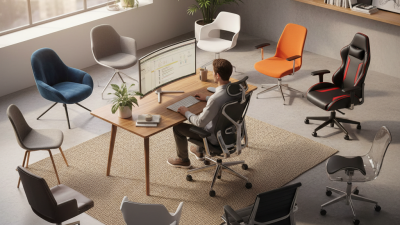
Selecting business furniture involves understanding your space and needs. Evaluate the size of your office and the number of employees. Do you require collaborative spaces or private areas? Each choice influences how your team interacts. Think about ergonomics as well—chairs and desks should support health and efficiency.
You may face challenges during the selection process. Budget constraints can limit options. Trends in design can complicate decisions as well. However, prioritizing functionality and quality will lead to a more satisfying workplace. In the end, the right business furniture is an investment in your team's success.
Understanding Your Office Space and Layout Requirements
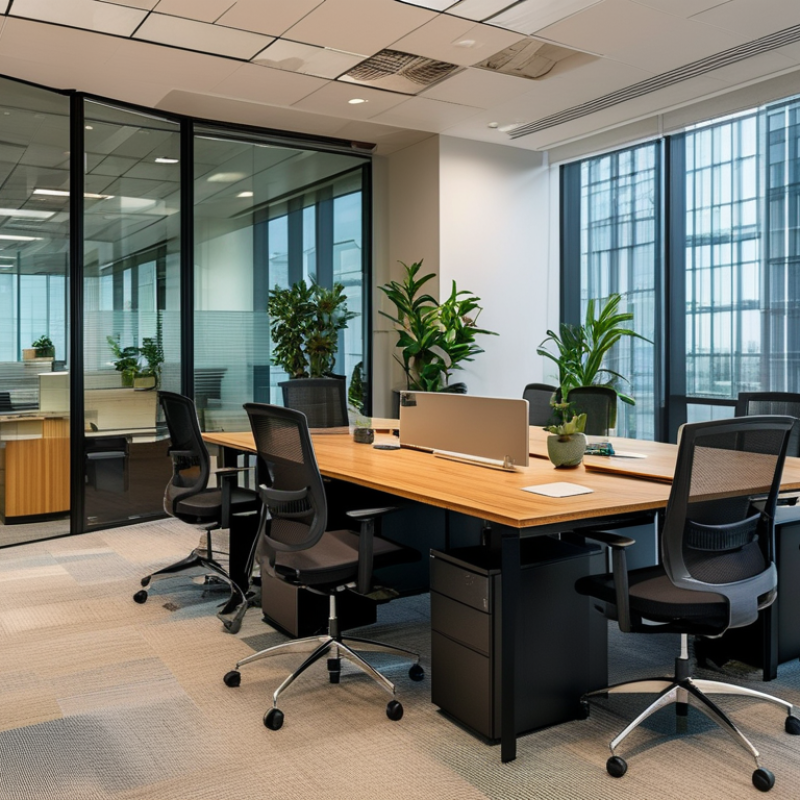
When selecting furniture for your office, understanding the space is crucial. Assess the dimensions of the room. Measure the available area accurately. Consider the layout and how you want it to function. This ensures that each piece serves a purpose without feeling cramped.
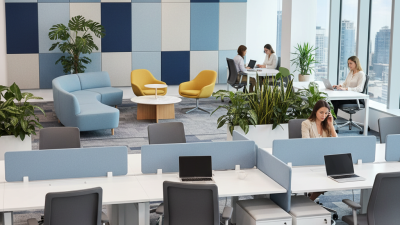
A well-planned layout promotes productivity. Think about the flow of movement. Can employees move easily? Are areas designated for collaboration? These are vital. You might need to adjust your furniture choices based on these aspects. Open spaces promote teamwork, while private areas allow for concentration.
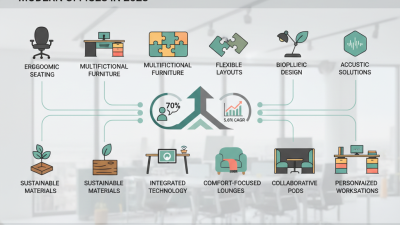
The style of your office should reflect your brand. A cohesive look can enhance employee morale. But don’t overlook the comfort. Ergonomic chairs and desks can make a significant difference. It’s important to balance aesthetics with functionality. Reflecting on your choices is essential; avoid getting attached to trends that may not suit your needs.
Identifying Your Business Functionality and Employee Needs
When choosing business furniture, understanding your office’s functionality and employee needs is crucial. The workspace directly impacts productivity. According to a report by the World Green Building Council, well-designed offices can boost productivity by up to 11%. This highlights the importance of creating an environment tailored to your team's specific tasks.
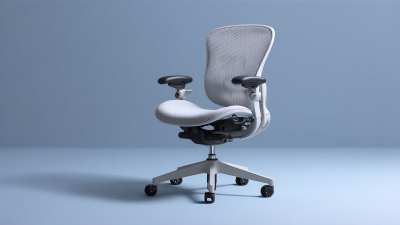
Different areas of your office serve distinct purposes. For instance, collaborative spaces require flexible seating and movable furniture. Research from the American Society of Interior Designers indicates that 63% of employees feel better when working in spaces designed for collaboration. This points to a need for versatile furniture. Private workstations, on the other hand, benefit from ergonomic chairs and desks that promote focus.
Employee comfort is often overlooked but essential. A study from Steelcase showed that discomfort in the workplace can lead to a 45% decrease in employee satisfaction. Investing in adjustable desks, proper lumbar support, and suitable lighting can mitigate these issues. Each furniture type should align with your business objectives and enhance overall workflow. Consider conducting employee surveys to directly understand their preferences and needs.
Selecting the Right Styles and Aesthetics for Your Office Furniture
When selecting office furniture, aesthetics play a crucial role. Research indicates that a well-designed workspace can boost productivity by 20%. Choosing the right colors and materials can enhance mood and creativity. For instance, natural wood finishes promote warmth and comfort, while sleek metal accents convey professionalism. Assess what styles evoke the desired atmosphere in your space.
Current trends show a strong preference for open-plan offices. This shift emphasizes collaborative work. Furniture designed for flexibility, like movable desks, supports this style. Yet, it’s essential to ensure comfort. Ergonomic chairs are a must. Studies reveal that comfortable seating can increase focus and reduce absenteeism by up to 25%. Reflect on how your choices impact your team's well-being.
Finding the right balance between aesthetics and functionality is often challenging. While trendy designs catch the eye, practicality should not be sacrificed. Think about storage solutions that blend with your decor. Hidden storage can keep spaces tidy while maintaining a modern look. Ultimately, evaluating how furniture aligns with both visual appeal and operational needs is critical for an effective office environment.
Evaluating Material Durability and Maintenance for Longevity
Choosing business furniture involves not just aesthetics but also evaluating material durability and maintenance. Office furniture needs to withstand daily wear and tear. A 2022 report by the International Facility Management Association (IFMA) highlights that 70% of companies prioritize durability when selecting office furnishings. This preference stems from the high costs associated with frequent replacements.
Wood and metal have long been favored for their resilience. However, they require varying levels of maintenance. Steel desks can be easily wiped clean, but wood desks may need periodic polishing to maintain luster. A survey by the Architectural Woodwork Institute indicates that untreated wood surfaces can retain signs of wear within just six months. Companies often overlook this detail. Knowing the right finish can prolong the life of wooden furniture significantly.
Moreover, fabrics used in office seating play a crucial role in durability. Synthetic materials tend to resist stains better than natural fabrics. Yet, natural fibers can offer comfort, albeit at the cost of longevity. A study from the Furniture Industry Research Association shows that 60% of office workers prefer natural fabrics, often unaware of their limitations. Balancing comfort and durability remains a challenge for many businesses.
Budgeting and Sourcing Options for Office Furniture Purchases
Budgeting for office furniture is crucial. Start by assessing your overall financial situation. Determine how much of your budget can be allocated to furniture. Consider not just the purchase price, but also maintenance costs. This can include repairs or an eventual replacement.
When sourcing furniture, explore various options. Local retailers, online platforms, and even second-hand stores can provide diverse choices. Remember, affordability does not always mean compromising quality. It is possible to find durable pieces at lower prices. Keep an eye on clearance sales and discounts, which can yield significant savings.
Evaluate your needs critically. What will work best for your space? Sometimes, opting for fewer, higher-quality items makes more sense. Consider multifunctional furniture to maximize utility. Reflect on the comfort and ergonomics of your choices. This step can impact employee productivity and satisfaction. Always think about the long term; cheaper items may not be a wise investment.