How to Choose the Best Polyester Carport in 2026?
Choosing the best Polyester Carport in 2026 means looking beyond price and appearance. Start with the job it needs to do: shelter a compact car, cover a work area, or protect equipment through changing weather. Measure the site, including door clearance and space for walking around the vehicle. Measure twice. A cover that fits the roof but blocks access can quickly become frustrating.
Next, compare the fabric and frame as a complete system. Check the product specifications for polyester weight, UV treatment, water resistance, seam construction, and frame materials. These details help explain what the shelter is designed to handle, but they do not guarantee performance in every climate. No fabric stays new forever. Examine how the legs connect, whether anchoring hardware is included, and what the manufacturer says about wind, snow, and maintenance. A sturdy-looking frame is not enough if its anchors are unsuitable for your surface.
Warranty terms and replacement-part availability also matter. Read the exclusions, care instructions, and setup requirements before buying; unclear claims deserve a closer look. If possible, compare verified customer feedback for repeated issues such as leaking seams or bent connectors, rather than relying on one glowing review. Details matter. There may be no single best option for every property, and that is worth admitting. The right Polyester Carport is the one whose documented features match your space, local conditions, budget, and willingness to maintain it. This guide outlines practical checks to make that choice with fewer surprises.
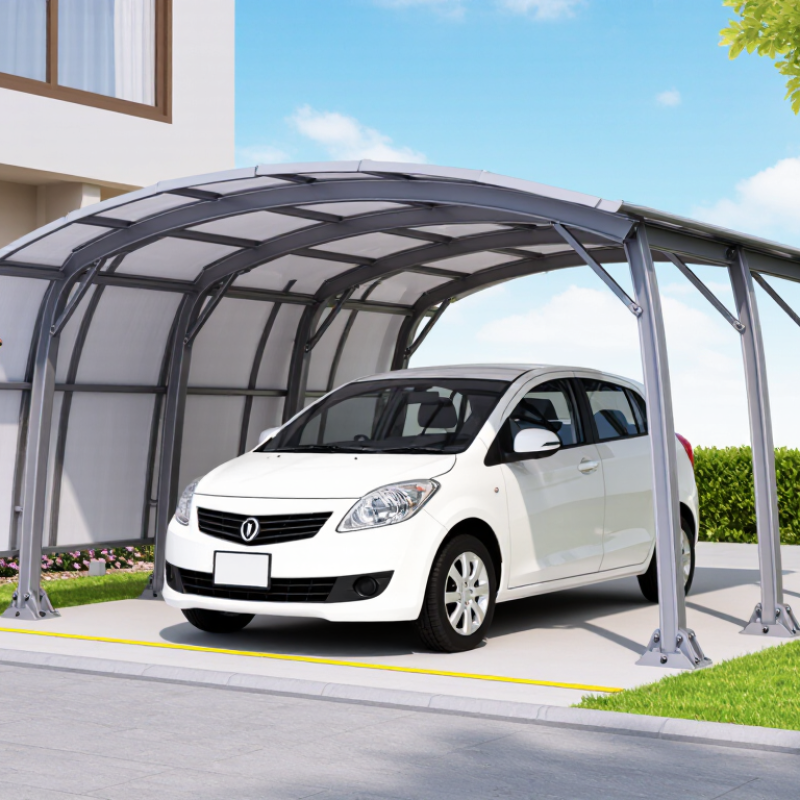
Define Your Vehicle, Storage, and Site Requirements
Before comparing polyester carports, measure the vehicle at its widest point, including mirrors, and note its height with roof racks or a cargo box installed. Add room for doors to open and people to walk around. A shelter that fits on paper can feel cramped in daily use. Measure twice.
Decide what else needs cover. Lawn equipment, bicycles, or stacked bins may call for extra width or a deeper footprint. Keep access paths clear, and leave space around stored items so damp gear can dry. If you only park a car, a smaller structure may be easier to place and maintain.
Inspect the site at different times of day. Check for low branches, overhead wires, sloping ground, and spots where rainwater collects. The surface and anchoring method matter: soft soil, paving, and concrete each need suitable fixings. Polyester fabric also varies in weight and coating, so compare product specifications and care instructions rather than relying on appearance alone. Consider local wind and snow exposure, too, and confirm that the chosen structure is rated for expected conditions. I might be tempted to choose the largest size, but that can block a gate or make anchoring awkward. A quick sketch with measured boundaries can reveal those trade-offs before delivery.
Compare Polyester Canopy Fabric and Frame Construction
Polyester is common, but that alone does not make a canopy durable. Textile Exchange’s Materials Market Report 2024 estimates polyester represented about 57% of global fiber production in 2023. That figure shows how widely it is used, not how long a particular canopy will last. Check fabric weight, UV treatment, water-resistant coating, seam construction, and replacement-part availability. Ask for test results rather than relying on “all-weather” claims. ASTM D751 includes test methods for coated fabrics; request the test conditions and results, since coating and fabric performance can vary. Small details matter.
Compare the frame just as closely. Steel can offer rigidity, while aluminum is lighter; either may disappoint if its tubes are thin or joints are poorly braced. Look for tube dimensions, wall thickness, fastener type, corrosion protection, and documented wind and snow ratings for the complete structure. NOAA’s 1991–2020 U.S. Climate Normals can help you review local temperature, precipitation, and snowfall patterns. A nearby weather station may not reflect your exact site. A strong frame cannot stop water pooling on a sagging canopy, and thick fabric cannot compensate for a weak corner joint. Ask how the canopy should be tensioned and whether replacement panels are available.
Assess Weather Resistance, Safety, and Maintenance Needs
A polyester carport should match the weather it will actually face, not just look sturdy in a product photo. Check the fabric’s UV treatment, water resistance, seam construction, and frame specifications. These details affect how well it handles bright sun, steady rain, and gusty conditions. A water-resistant roof can still collect water if it sags, so a properly tensioned cover matters. No fabric is weatherproof forever. In areas with strong winds or heavy snow, confirm the structure’s stated limits and use suitable anchors on firm ground. Loose legs and flapping fabric are warning signs, not minor annoyances.
Maintenance is usually simple, but it works best as a routine. Brush off leaves and grit before they rub against the polyester, and wash the cover with mild soap and water. Let it dry fully before folding or storing it; trapped moisture can encourage mildew. Small checks matter. Look at seams, fasteners, and anchor points after storms, since wear often appears there first. I would not assume a thicker-looking fabric guarantees a longer life; workmanship and exposure matter too. One drawback is easy to overlook: repeated assembly can stress the same joints, especially when the frame is moved often. Choose a design you can inspect and maintain without special tools.
Compare 2026 Prices, Warranties, and Supplier Support
When comparing 2026 polyester carport prices, check what each quote actually includes. A low price may cover only the frame and canopy, while another includes ground anchors, side panels, or delivery. Compare the same dimensions, frame thickness, fabric weight, and UV protection. Ask whether replacement panels are available and what they cost. A few dollars saved upfront may matter less than a canopy that fades or tears early.
Read warranty terms carefully. Look for separate coverage periods for the frame, fabric, seams, and connectors. Check exclusions for wind, snow, improper anchoring, or normal fabric wear. Those details can change the real value of a warranty. Request the terms in writing, not just a salesperson’s summary. Small print matters.
Supplier support is easy to overlook until a part is missing. Ask how quickly the supplier answers questions, whether assembly instructions are clear, and how damaged shipments are handled. A useful test: send a specific question about anchoring before ordering and note the response time. Fast replies help. So does practical detail. Still, a polished answer is not proof of long-term service; I may be giving too much weight to one email. Compare support promises with clear return procedures and access to spare parts before choosing.
How to Choose the Best Polyester Carport in 2026
A practical framework for comparing prices, warranties, and supplier support.
How to use this chart: These are suggested decision weights, not measured 2026 market data. Score each written quote against the same criteria: total price and included items, warranty duration and coverage, and the supplier’s response time and after-sales support. Verify all terms directly with the supplier.
