What Is Home Decor Furniture and How Do You Choose It?

Home Decor Furniture does more than fill empty corners; it shapes how a room works, feels, and welcomes people. A sturdy dining table can anchor weeknight meals, while a narrow console may keep keys and mail off the kitchen counter. Yet attractive pieces can frustrate daily life when they crowd walkways or require constant care. That matters.

Interior designer Nate Berkus has said, “Your home should tell the story of who you are, and be a collection of what you love brought together under one roof.” This idea offers a useful starting point, not a strict rule. Home Decor Furniture should reflect personal taste while meeting practical needs. A linen sofa may feel inviting, but pets, children, sunlight, and cleaning habits all affect whether it suits a home. Not just appearance. Choosing by looks alone is an easy mistake—and one I understand.

A reliable choice begins with the room itself. Measure wall lengths, doorways, and routes through the space before buying. Check seat height, storage needs, material durability, and how each item will be used. A compact apartment may benefit from nesting tables; a large room can still feel awkward when every piece is oversized. Measure twice. This guide explores what Home Decor Furniture includes and how to compare style, function, quality, and budget. There is no perfect formula. The aim is a room that feels considered, comfortable, and honestly yours—even if one choice needs rethinking later.
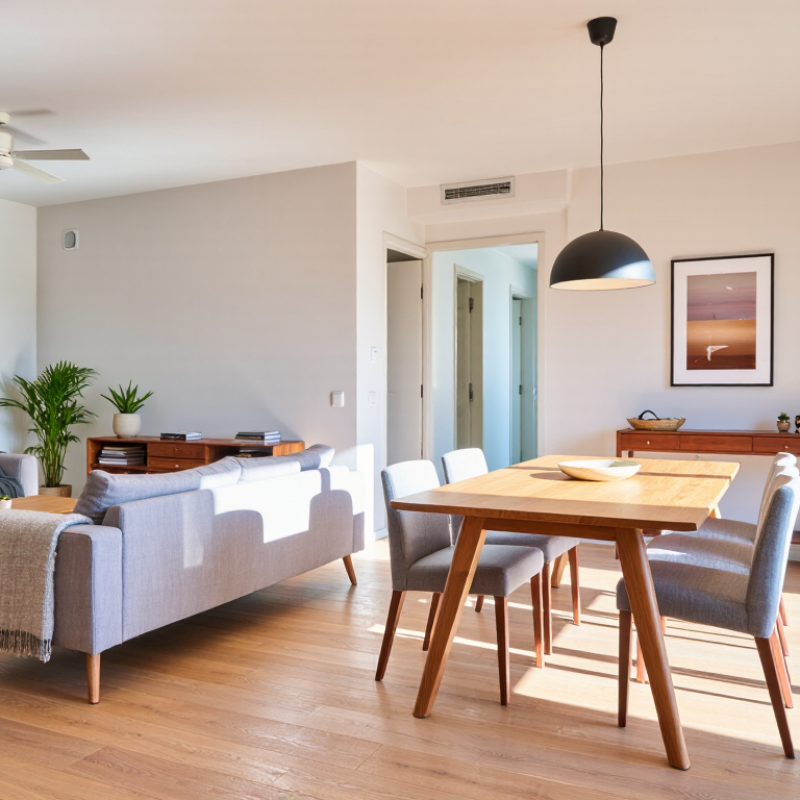
What Is Home Decor Furniture and How Do You Choose It?

Defining Home Decor Furniture and Its Role in a Home

Home decor furniture is the movable furniture that helps a room work and gives it a distinct character. Sofas, dining tables, beds, cabinets, and occasional chairs all qualify. Unlike small decorative objects, these pieces shape how people sit, eat, sleep, store belongings, and move through the home. Their scale and placement can make a room feel open, crowded, calm, or unsettled.

The role is both practical and visual. A low wooden table beside a sofa holds books and a cup, while its grain adds warmth to the room. A cabinet can hide everyday clutter, though a bulky one may make a narrow hallway feel tighter. Small details matter. When considering a piece, check its dimensions against doorways, walking routes, and nearby furniture. Measure twice. Comfort and upkeep count, too: a pale fabric chair may look airy, but it can show marks more readily in a busy household. A common mistake is choosing every piece to match exactly. Coordinated furniture can create order, yet a little contrast often feels more lived-in. Not every mismatch is a problem; sometimes a room needs time before its balance becomes clear.

Exploring the Main Types of Home Decor Furniture

Home decor furniture includes the useful pieces that also shape a room’s character. Seating is often the most visible type: sofas, armchairs, and dining chairs set the tone and affect how people move through the space. Check seat depth and back support, not just color. A chair may look elegant but feel tiring after ten minutes.

Tables serve different needs. Coffee tables hold books and cups, while dining tables need enough room for chairs to slide out comfortably. Measure the walking space around them before buying. Small rooms need restraint. A narrow side table can be more practical than a large centerpiece, even if the larger one looks impressive in a showroom.

Storage furniture includes bookcases, cabinets, dressers, and entryway benches with hidden compartments. These pieces reduce clutter, but closed doors can make a small room feel heavier. Beds and bedside tables also matter, since their height and scale affect comfort and balance. Accent furniture, such as stools or a small console, adds flexibility; it can also become clutter if it has no clear purpose. That distinction is easy to miss. Choose materials and finishes that suit daily use, and leave space for changing needs. A room does not have to look perfectly coordinated to feel considered.

Matching Furniture to Your Space, Style, and Needs

Home decor furniture should make a room work as well as look considered. Start with a tape measure, not a shopping list. Record the room’s length, doorways, window positions, and the route furniture must travel. Mark a sofa’s outline on the floor with painter’s tape. Then walk around it. A piece that fits on paper may still block a cupboard or make a narrow path awkward.

Match each item to the room’s daily use. In a small living room, a slim-legged chair can feel lighter than a deep, bulky one. For a busy dining area, check that chairs pull back without hitting a wall. Keep commonly used items within easy reach. Leave enough space to open drawers and pass through comfortably. Measure twice. It sounds obvious, but people still misjudge scale.

Style matters, but it should not override comfort or upkeep. Repeat one or two colors, wood tones, or shapes to help different pieces feel connected. A textured fabric may suit a relaxed room, yet collect crumbs in a household with young children. Consider who uses the space, how often it needs cleaning, and whether materials can handle everyday wear. I have been drawn to a beautiful piece that looked wrong once it was home. Take a photo of the room in daylight, and compare finishes before deciding.

Comparing Materials, Construction, and Care Requirements

Home decor furniture should suit a room’s daily use, not just its color scheme. Solid wood feels substantial and can often be refinished, but it may shift with seasonal humidity. Engineered wood is usually lighter and more affordable, though edges can chip if knocked. Metal frames offer sturdy support and wipe clean easily; check for smooth welds and stable feet. Upholstery adds softness, but tightly woven fabrics are often easier to maintain than delicate textures. A fabric swatch viewed beside your window can reveal color changes in natural light.

Construction affects how furniture holds up. Look for even seams, secure joints, drawers that slide without sticking, and chairs that do not wobble on a level floor. For upholstered pieces, removable covers can simplify cleaning, but always check the care label before using water or a cleaning product. Dust wood with a soft cloth, and use coasters to limit moisture marks. Keep furniture away from strong, direct sunlight when possible. Small details matter. It is easy to focus on appearance and underestimate the effort a finish may need.

Tips: Match care needs to your routine. If you have pets or children, test fabric samples for snagging and stains. Keep assembly instructions and care guidance nearby; even careful planning can miss a practical detail.

What Is Home Decor Furniture and How Do You Choose It? - Comparing Materials, Construction, and Care Requirements
Home decor furniture includes functional pieces—such as tables, chairs, sofas, and storage units—that also contribute to a room’s appearance. Compare materials, construction, intended use, and care needs before choosing.
Furniture type Common materials Construction to look for Practical considerations Care requirements Best suited to
Dining and occasional tables Solid wood, wood veneer over engineered wood, glass, or metal Check that the table sits level and joints are secure. A stable base and well-attached legs help reduce wobble. Solid wood can be refinished, but may expand or contract with humidity changes. Veneer offers a wood surface but can be difficult to repair if deeply chipped. Wipe spills promptly with a soft cloth. Use coasters and avoid standing water, harsh abrasives, and excessive heat. Follow the finish maker’s care instructions. Choose based on room size, seating needs, and how much daily wear the surface will receive.
Shelves and cabinets Plywood, particleboard, medium-density fiberboard (MDF), solid wood, or metal Look for square corners, secure back panels, sturdy shelf supports, and doors or drawers that align smoothly. Anchor tall units to a wall when appropriate. Plywood is made from bonded wood layers; MDF has a smooth, uniform surface. Particleboard is generally more vulnerable to swelling if its edges are exposed to water. Dust regularly and clean with a lightly damp cloth when suitable for the finish. Keep wood-based panels dry and avoid overloading shelves. Useful when storage capacity, available wall space, and the weight of stored items are key priorities.
Chairs and stools Solid wood, metal, molded plastic, or combinations of these materials Check for even contact with the floor, tight joints, and a seat that feels stable under normal use. Test comfort and seat height with the intended table or counter. Material, shape, and bracing affect weight and rigidity. A chair that feels comfortable briefly may not provide enough support for longer sitting. Dust or wipe according to the surface finish. Tighten accessible fasteners periodically and use suitable floor protectors to limit scratches. Choose by comfort, height, ease of moving, and the frequency of use.
Sofas and upholstered seating Wood or metal frames; fabric, leather, or synthetic upholstery; foam or fiber cushions Inspect frame rigidity, secure joints, even stitching, and cushion support. Removable covers can make some cleaning and replacement tasks easier. Fabric performance varies by fiber, weave, and finish. Leather types also differ in surface treatment and maintenance needs. Cushion feel and support can change with use. Vacuum upholstery with a suitable attachment and blot spills rather than rubbing. Follow the care label; some fabrics require professional cleaning. Use leather-specific care only when recommended. Consider seating habits, pets, sunlight, stain exposure, and whether cushion or cover upkeep is manageable.
Bed frames Solid wood, engineered wood, or metal Check that rails, center supports, and slats are secure and compatible with the mattress requirements. Follow the stated weight and assembly guidance. A center support can help distribute load on larger frames. Mattress support requirements vary, so confirm spacing and support needs before purchase. Dust and clean the frame with methods suitable for its finish. Recheck and tighten fasteners as directed, especially after initial assembly. Prioritize mattress compatibility, room dimensions, under-bed clearance, and ease of assembly.
Outdoor furniture Aluminum, steel, treated wood, synthetic resin, or outdoor-rated fabric Look for secure joints, weather-appropriate finishes, and cushions designed for outdoor use. Check care guidance for exposure limits and storage. Weather resistance depends on material, finish, construction, and local conditions. Metal can corrode if its protective coating is damaged; wood may need periodic maintenance. Clean off dirt and moisture as directed. Store or cover furniture and cushions when recommended, and inspect finishes and fasteners periodically. Match materials and maintenance needs to the amount of sun, rain, humidity, and seasonal storage available.
Selection checklist: Measure the space and access route, confirm the furniture’s dimensions and intended use, inspect joints and finish, and read the care instructions before buying. Material names alone do not guarantee durability; construction quality and maintenance also matter.

Choosing Home Decor Furniture Step by Step

Choosing Home Decor Furniture Step by Step

Begin with the room, not the shopping list. Measure each wall, doorway, and walkway, then note where doors and drawers need to open. Measure twice. A sofa that fits on paper can still block a path in real life. Mark its footprint on the floor with painter’s tape to judge the space before buying.

Next, decide what each piece must do. A small living room may need a coffee table with a shelf, while a bedroom could benefit from a nightstand with a drawer. Choose furniture that suits your daily habits, not only a staged photo. Check seat height, storage depth, and whether the materials seem practical for your household. For a sunny room, fabric samples can reveal how colors change in daylight. Test them at home.

Build a simple palette from the room’s fixed features, such as flooring and wall color. Then bring in contrast through wood tones, metal details, or textured upholstery. Leave breathing room between large pieces; crowded furniture makes even a tidy room feel smaller. It is easy to misjudge scale online. If possible, inspect an item in person, or review its dimensions and construction details carefully. Your first arrangement may feel slightly off. Shift one piece, live with the change, and adjust as needed.

Choosing Home Decor Furniture: Recommended Clearances

Measure your room before choosing furniture. These common planning guidelines help keep walkways and seating areas comfortable; allow more space where accessibility needs require it.

Request More Information