Top Work Desk Ideas for Home Office Setup?
Creating a home office that boosts productivity starts with an effective work desk. Renowned interior designer, Emily Henderson, emphasizes, “The right work desk can transform your work environment.” This statement underscores the significance of selecting a suitable space for your professional activities.
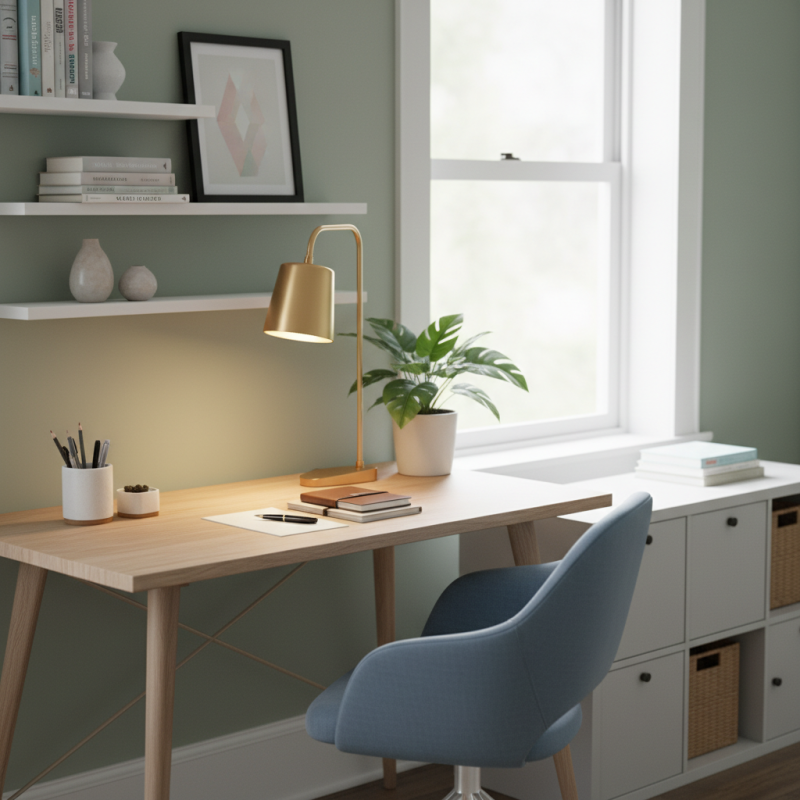
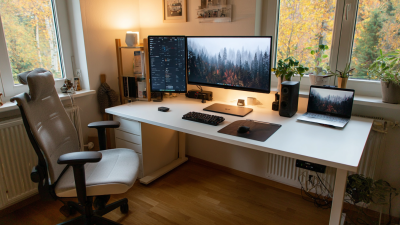
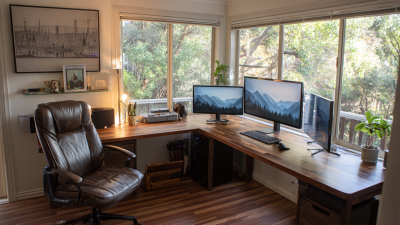
A well-designed work desk should reflect your personal style and serve practical needs. Imagine a desk adorned with fine stationery, a comfortable chair, and a pop of greenery. Each detail contributes to an inviting atmosphere. You might think your desk is perfect, but could it inspire more creativity?
As you explore various work desk ideas, consider both aesthetics and functionality. Maybe your setup lacks effective storage. Or, perhaps, the lighting isn’t quite right. Reflecting on your current layout can lead to valuable improvements and a more engaging workspace.
Innovative Desk Designs to Maximize Space in Home Offices
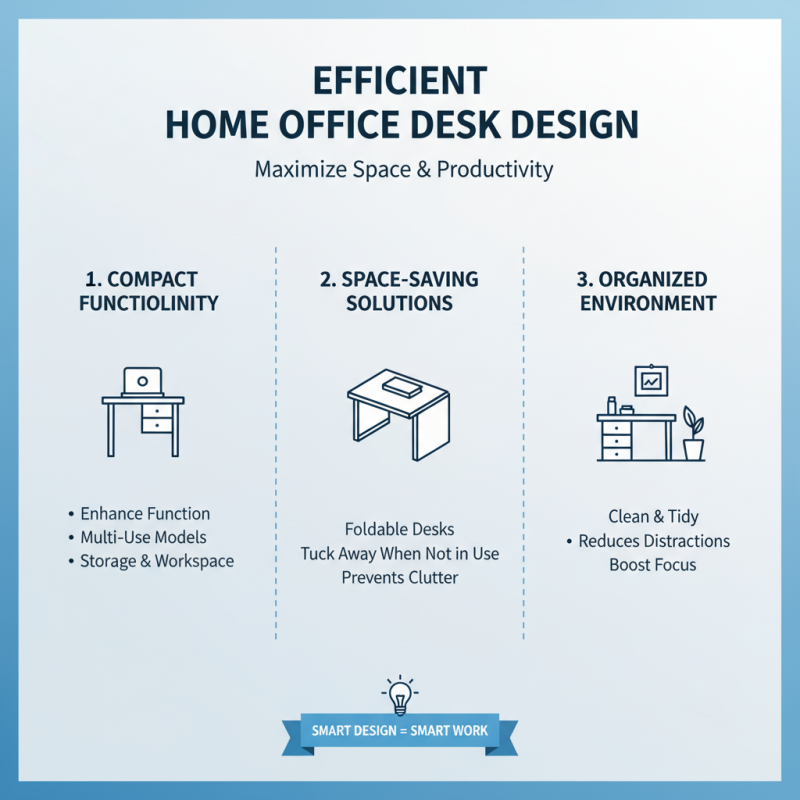
Creating an efficient home office requires thoughtful desk design. A compact desk can enhance functionality. Look for multi-use models that offer storage and a workspace. For instance, a foldable desk saves precious space. You can tuck it away when not in use. This design prevents clutter, creating a clean and organized environment.
Consider standing desks. They promote better posture and encourage movement during the day. Adjustable heights allow flexibility. You can switch between sitting and standing easily. This might not work for everyone, as some prefer a traditional setup. However, it can energize your work routine.
Wall-mounted desks also maximize space. They free up floor area and offer a unique aesthetic. You might find it challenging to find the right height. Ensuring comfort is crucial. Harnessing vertical space is key. Adding shelves above can provide additional storage for books and supplies. This approach may require some initial adjustments, but the results can be rewarding.
Ergonomic Features of Work Desks: Boosting Productivity and Comfort
Creating an ergonomic work desk setup can significantly enhance
productivity and comfort. Start with the
desk height. It should allow your
elbows to stay at a 90-degree angle while typing. This simple
adjustment can prevent strain on your wrists. An adjustable chair is also vital.
It should provide support for your lower back and keep your feet flat on the ground.
However, many overlook the importance of the chair’s seat depth, which should allow
a few inches between your knees and the edge of the seat.
Another key aspect is the monitor placement. Ideally, the top of the
monitor should be at or slightly below eye level. This reduces neck strain, yet many
people still find their monitors too high or too low. Sometimes, a phone book or a
few binders can serve in a pinch for adjusting placement.
Don’t forget about
lighting. A well-lit workspace can keep you alert, but harsh lights can cause
eye strain. Consider adding a desk lamp with adjustable brightness.
Finally, remember to take breaks. Sitting for
long periods can diminish your productivity and create discomfort. Stand up, stretch,
or take a brief walk. Balancing comfort with good habits is essential.
Ergonomics is not just about
your setup but also your routine. Regular adjustments and making small improvements
can lead to a more productive home office experience.
Material Choices for Home Office Desks: Wood vs. Metal and More
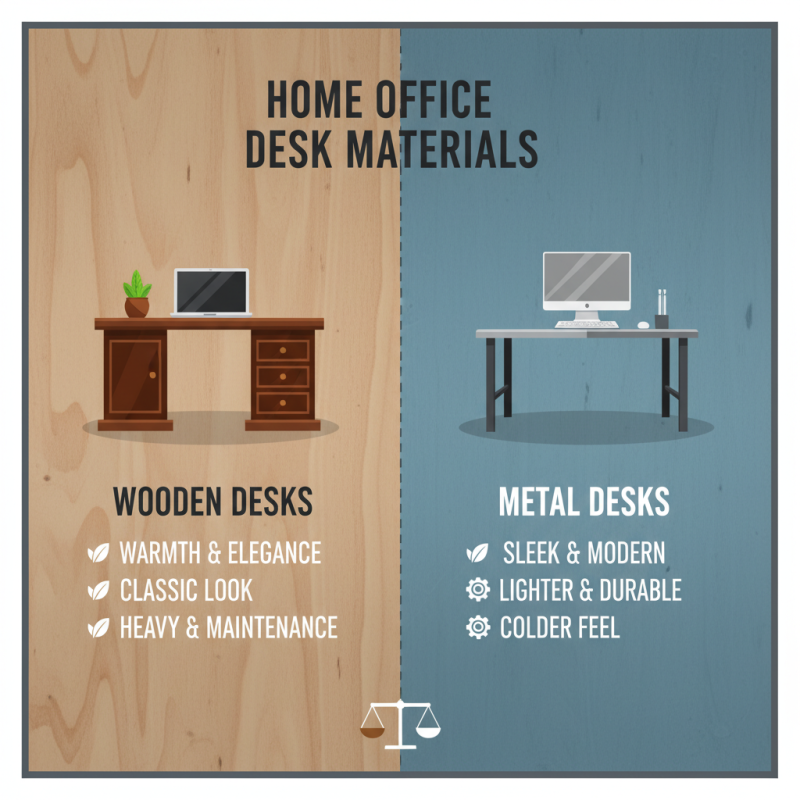
Choosing the right material for your home office desk can significantly impact your work experience. Wood and metal are two popular options, each with unique qualities. Wooden desks often add warmth and a touch of elegance to a space. They can be heavy and require maintenance but offer a classic look. On the other hand, metal desks are sleek and modern. They can be lighter and often more durable but may feel colder and less inviting.
Tips: Consider your workspace's overall aesthetic. If you're aiming for coziness, go for wood. If you prefer a minimalist vibe, metal is a better choice. Think about functionality too. Some wooden desks come with intricate designs, while metal options might focus on simplicity.
Also, think about versatility. A convertible desk can save space. For example, a collapsible metal desk can easily adapt to changing needs. A wooden desk with ample storage can help manage clutter. Your choice should reflect both style and practicality. Avoid rigid systems; sometimes the best setup comes from mixing materials. Embrace imperfections in your design choices. Each scratch or dent on wood tells a story.
Choosing the Right Desk Height: Guidelines for Comfort and Efficiency
When setting up a home office, desk height is crucial. Research indicates that the ideal desk height for most individuals ranges from 28 to 30 inches. This measurement often leads to improved productivity and comfort. A desk that is too high or low can create strain on your back and neck. According to ergonomic studies, proper desk height can reduce the risk of musculoskeletal disorders by up to 40%.
Adjustable desks have gained popularity, allowing users to customize their height. This adaptability can benefit a wide range of users. Many reports suggest standing desks can increase energy levels and focus. However, some users struggle to find the perfect height when transitioning between sitting and standing. A common recommendation is to ensure that your elbows are at a 90-degree angle when seated.
Incorporating a footrest is a smart idea. It can provide additional support and comfort. Some individuals may overlook this detail, which leads to discomfort during long working hours. It’s essential to reflect on your setup regularly. Small adjustments can make a significant impact on overall well-being and productivity.
Top Work Desk Ideas for Home Office Setup
This chart illustrates recommended desk heights for different user heights to optimize comfort and efficiency in a home office setup.
Incorporating Technology: Desks for Modern Home Office Needs
Creating an efficient home office requires thoughtful integration of technology. A desk should support multitasking. Look for designs that accommodate cable management. Staying organized is crucial to maintain productivity. Consider adjustable desks that allow you to switch between sitting and standing. This flexibility can enhance comfort during long working hours.
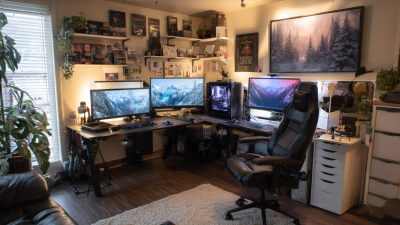
Incorporating monitors can also significantly improve your workspace. A dual-monitor setup provides ample screen real estate. Make sure to position them at eye level to avoid strain. Think about using ergonomic accessories like keyboard trays or mouse pads. These small adjustments can make a big difference in your daily routine.
It’s important to reflect on how your workspace makes you feel. Is your setup inspiring? Or does it feel cluttered? Regularly reassess your desk arrangement and technology. You might find opportunities for improvement. Embrace a setup that evolves with your work habits. Celebrate the imperfections, and allow them to guide you toward a better workspace. A streamlined desk can lead to a clearer mind, ultimately benefiting your overall productivity.
Top Work Desk Ideas for Home Office Setup
| Desk Type |
Material |
Features |
Ideal For |
| Standing Desk |
Bamboo |
Adjustable height, cable management |
Health-conscious users |
| L-Shaped Desk |
Particleboard |
Large workspace, corner fitting |
Multi-taskers |
| Wall-Mounted Desk |
Steel |
Space-saving, minimalist design |
Small spaces |
| Traditional Desk |
Solid Wood |
Classic look, sturdy |
Home offices with traditional decor |
| Compact Desk |
MDF |
Small footprint, portable |
Students and remote workers |