What Is a Portable Treadmill and How Does It Work?
A Portable Treadmill is a compact walking or running machine designed for flexible home use. Unlike a traditional treadmill, it often has a slimmer deck, lighter frame, and folding or transport-friendly features. Some models fit beneath a sofa or bed. Others include wheels for easier movement between rooms.
Its operation is simple but carefully engineered. An electric motor turns rollers beneath a moving belt. As the belt travels backward, the user walks or runs forward. A control panel adjusts speed, while sensors and safety systems help manage operation. Many walking pads reach moderate speeds, although some Portable Treadmill models support faster workouts with handrails and stronger motors.
The term can mislead.
Portability does not mean weightless. A machine with a powerful motor may still require two people to carry upstairs. Stability also matters. A narrow deck can feel uncomfortable during longer sessions, especially for taller users. Before buying, I would check belt dimensions, motor rating, noise, maximum user weight, and storage clearance.
Pete McCall, an ACE-certified exercise physiologist, has said, “Walking is a great form of exercise for almost everyone.” That principle explains the Portable Treadmill’s appeal. It turns short indoor spaces into practical walking zones, even during rain or crowded schedules. However, convenience should not replace safe habits. Start slowly, use the emergency stop feature, and keep children and pets away from the moving belt. Technology helps, but it cannot correct poor posture or careless setup.
Definition and Core Features of a Portable Treadmill
What Is a Portable Treadmill and How Does It Work?
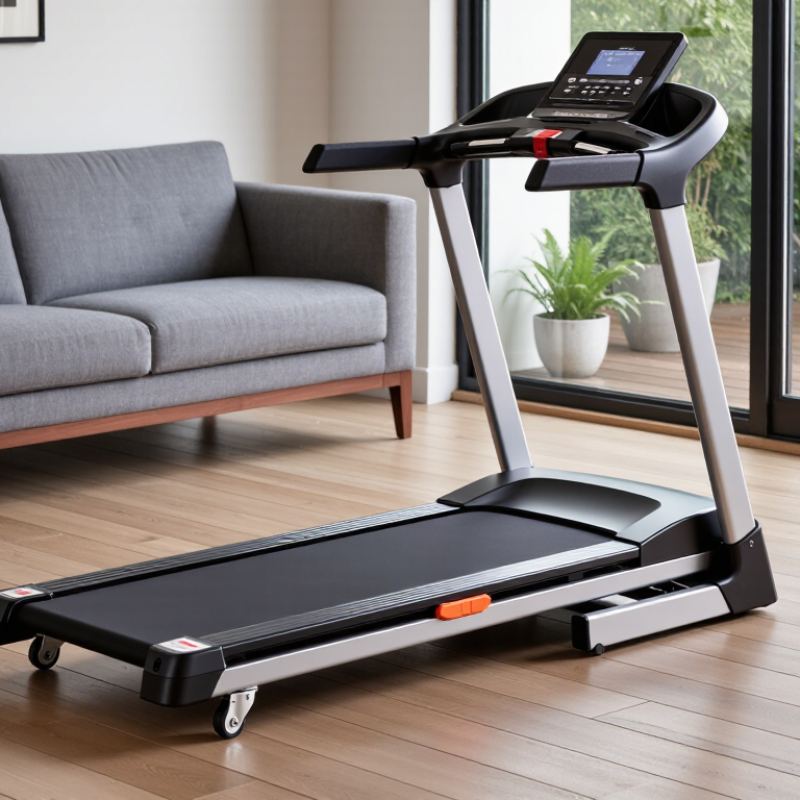
A portable treadmill is a compact exercise machine designed for easy movement and storage. It uses an electric motor to move a continuous walking belt around a deck. The user walks or runs while the belt travels beneath their feet. Unlike a traditional treadmill, many portable models fold flat or include transport wheels. This design suits small bedrooms, apartments, and shared workspaces.
Core features usually include a lightweight frame, a motor, a cushioned deck, speed controls, and a basic display. Some models offer remote controls, preset programs, or limited incline adjustment. The belt speed changes when the motor receives signals from the control panel or remote. A safety stop system can pause the belt if the user loses balance. However, portable does not always mean easy to carry. Some units still feel heavy on stairs.
In practical use, stability matters more than appearance. I have found that a firm, level floor reduces vibration and unwanted belt movement. The deck should provide enough space for a natural stride. A narrow belt may feel uncomfortable during faster walking. Motor noise also varies with body weight, speed, and floor type. Regularly checking belt alignment and lubrication helps maintain smooth operation. I once ignored a slight belt drift, and the uneven movement became noticeable within days. Portability is useful, but it may involve compromises in deck size, motor power, and running comfort.
What Is a Portable Treadmill and How Does It Work?
A portable treadmill is a compact exercise machine designed to be moved or stored easily. Its motor rotates the walking belt at a selected speed, allowing users to walk or run indoors. The chart below shows exact pace conversions for common speed settings.
Speed is shown in kilometers per hour, while equivalent pace is calculated as 60 ÷ speed. Lower pace values indicate faster movement. Core portable-treadmill features commonly include a motorized belt, speed controls, a compact frame, safety controls, and a foldable or easy-to-carry design.
Main Components and Their Functions
A portable treadmill is a compact walking or running machine designed for easier storage and movement. Its main structure usually includes a lightweight frame, folding supports, transport wheels, and a running deck. The frame keeps the machine stable, while the wheels help users move it between rooms. I once assumed portability meant effortless lifting. It did not. Even a slim model can feel awkward on stairs.
The motor drives the belt beneath your feet. A controller adjusts its speed according to the selected setting, while sensors help regulate movement and detect belt performance. The running belt travels over rollers, which reduce friction and support smooth motion. Under the belt, the deck absorbs some impact and spreads pressure across the surface. A firm deck may feel stable, but it can be less comfortable for longer sessions.
The display or remote control manages speed, time, distance, and sometimes calories. Some machines also include safety clips or automatic shut-off features. These components matter because a delayed stop can create a real hazard. Before use, I check belt alignment, power connections, and unusual sounds. This habit is practical, though not foolproof. A portable treadmill still needs a level floor, enough clearance, and regular cleaning around the belt edges. Small errors can affect performance.
How a Portable Treadmill Works Step by Step
What Is a Portable Treadmill and How Does It Work?
A portable treadmill uses a motor, belt, rollers, sensors, and a control panel. Its compact frame often includes wheels or a folding deck. This makes storage easier in a bedroom or under a desk. The World Health Organization’s Global Status Report on Physical Activity 2022 found that 1.8 billion adults lacked enough physical activity in 2022. A small walking machine may help reduce that daily gap.
The process is simple. You select a speed with the remote or console. The motor turns the front roller. That roller moves the belt across the deck. Your footsteps rotate the rear roller and create friction. Speed sensors measure belt movement and adjust motor power. If you stop, the safety system should slow or stop the belt. Some models also measure steps, time, distance, and calories. These figures are useful, but calorie estimates are not precise. I would treat them as rough guidance, not medical data. Portable models usually have shorter decks and lower speed limits. A longer stride can feel awkward.
Tips: Place the treadmill on a firm, level surface. Keep the belt centered and inspect it before walking. Begin at a slow pace. Leave clear space behind the machine. The American College of Sports Medicine recommends gradual progression, yet many users increase speed too quickly. That mistake is easy to make. Hold the handrail only when balance requires it, because constant support can change your natural walking pattern.
Types, Sizes, and Portability Features
A portable treadmill is a compact walking or running machine designed for easier storage and movement. Unlike fixed gym equipment, it often has a folding frame, transport wheels, or a thinner walking deck. It works through a motor that turns the belt beneath your feet. Sensors and controls adjust speed, while some models add incline functions. In practical use, motor strength affects smoothness, noise, and long-term durability. Not every model is truly portable.
The main types include walking pads, folding treadmills, and under-desk treadmills. Walking pads are usually slim and suit light walking in apartments or offices. Folding treadmills provide more support for jogging, but they need extra floor space when opened. Under-desk models normally prioritize quiet operation and low speed. Running needs more deck length. A user under 170 centimeters may manage with a shorter deck, while taller runners often need more room for a natural stride. Check the maximum user weight, too.
Portability depends on more than weight. A compact treadmill may still feel awkward without sturdy wheels and a reliable handle. Measure your storage area before buying, including doorways and furniture clearance. I have seen people focus on folded height and forget the machine’s width. That is an easy mistake. A treadmill weighing 25 kilograms can be manageable for one person, yet difficult on stairs. Consider lifting points, cable placement, deck thickness, and noise on hard floors. A rubber mat can reduce vibration, though it will not fix an underpowered motor.
