Top 10 Tips to Improve Indoor Air Quality Quickly?
Indoor air quality is often overlooked, yet it significantly impacts our health and well-being. Many people spend up to 90% of their time indoors. Poor indoor air can lead to respiratory issues, fatigue, and decreased productivity. Thus, enhancing the air quality in your home or workplace should be a priority.
Quick changes can make a big difference. Small steps like using air purifiers or houseplants can drastically improve your space. Regularly changing filters and ensuring proper ventilation are also crucial. These actions may seem minor but can have profound effects on the air we breathe daily.
It is vital to recognize that indoor air quality problems can arise from everyday activities. Cooking, cleaning, and even using electronic devices contribute to pollutants. Awareness of these issues is the first step. Improving indoor air quality requires ongoing effort, monitoring, and adaptation. By implementing simple tips, we can create healthier indoor environments for ourselves and our loved ones.
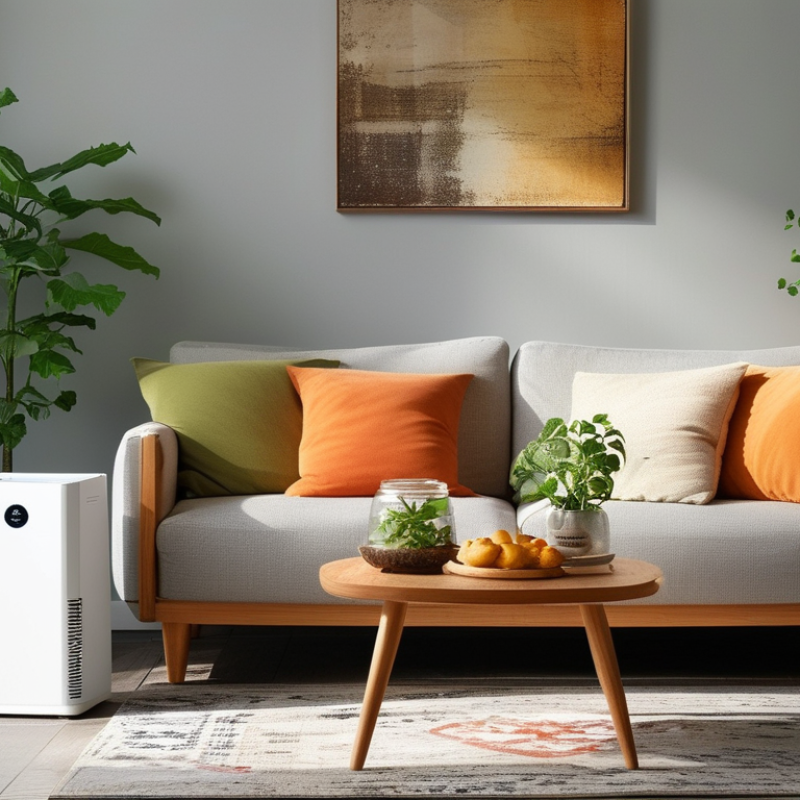
Understanding Indoor Air Quality and Its Importance
Indoor air quality (IAQ) is essential for health and well-being. Poor IAQ can lead to respiratory issues, allergies, and overall discomfort. Many people underestimate the importance of air quality in their homes. Understanding the sources of indoor pollution can help us take action. Common pollutants include dust, mold, pet dander, and chemical vapors. Lack of ventilation worsens these problems.
To improve indoor air quality, consider regular cleaning routines. Vacuuming often can reduce dust accumulation. Using air purifiers can help eliminate airborne allergens. Houseplants can enhance air quality naturally. However, not all plants thrive indoors, so choose wisely. It's important to replace filters in heating and cooling systems regularly. Even small changes can have a significant impact.
Investigating your home's air quality may reveal surprising insights. Pay attention to how air feels in different rooms. Consider humidity levels; too much moisture can promote mold growth. Be aware of odors that linger longer than they should. Reflect on the air quality in your surroundings. Sometimes, even a simple step can greatly improve your home's atmosphere.
Top 10 Tips to Improve Indoor Air Quality Quickly
This bar chart illustrates the effectiveness scores of different tips to improve indoor air quality. The scores range from 1 to 10, indicating how impactful each tip can be in enhancing the air quality in your home or workspace.
Common Sources of Indoor Air Pollution
Indoor air quality is often compromised by various pollutants. Identifying common sources is essential for improvement. Everyday items may emit harmful substances. For instance, cleaning products can release volatile organic compounds (VOCs). Many people underestimate their impact, but these chemicals linger in the air. They can provoke allergies or respiratory issues.
Another significant source is furniture and building materials. Pressboard and certain paints can release harmful particles. Often overlooked, these items contribute to long-term exposure. Dust and allergens tend to accumulate as well. Regular cleaning can help, but it often requires diligence. Airborne dust, pet dander, and pollen can drastically reduce indoor air quality.
Household molds are also a concern. They thrive in damp areas, often unnoticed. Bathroom ceilings and basements can become breeding grounds. High humidity levels exacerbate this issue. It is not always easy to control indoor humidity. Addressing these sources is vital for creating a healthier environment. Consider simple changes that can make a big difference.
Top 10 Tips to Improve Indoor Air Quality Quickly
| Tip | Description | Common Sources of Pollution |
| 1. Improve Ventilation | Increase the flow of fresh air into your indoor spaces. | Stale air, mold spores |
| 2. Use Air Purifiers | Utilize devices that filter out pollutants in the air. | Dust, pet dander |
| 3. Maintain Humidity Levels | Keep humidity between 30-50% to reduce mold growth. | Mold, mildew |
| 4. Regularly Clean | Dust and vacuum regularly to remove particulates. | Dust, allergens |
| 5. Avoid Smoking Indoors | Ban smoking in enclosed spaces to prevent toxic fumes. | Cigarette smoke, particulate matter |
| 6. Use Natural Cleaning Products | Choose eco-friendly products that emit fewer chemicals. | Volatile organic compounds (VOCs) |
| 7. Introduce Indoor Plants | Use plants that naturally filter toxins from the air. | Carbon dioxide, indoor pollutants |
| 8. Seal Windows and Doors | Prevent outdoor air and pollutants from entering. | Pollen, outdoor smoke |
| 9. Keep HVAC Systems Clean | Ensure heating and cooling systems are regularly serviced. | Dust, allergens from HVAC systems |
| 10. Monitor Indoor Air Quality | Use Indoor Air Quality Monitors to track pollutants. | Various indoor pollutants |
Simple Steps to Increase Ventilation in Your Home
Improving ventilation in your home is essential for better indoor air quality. One easy step is to open windows whenever possible. Fresh air can significantly reduce indoor pollutants. Make it a habit to air out your space daily, even if just for a few minutes. Cross-ventilation is effective; open windows on opposite sides to create a flow.
Another practical idea is to use exhaust fans in high-moisture areas. Bathrooms and kitchens often trap humidity, leading to mold growth. Running your exhaust fan helps vent out this moisture quickly. It’s a small effort but can make a big difference. Check that these fans are in good working order and use them regularly.
Consider adding indoor plants that naturally purify the air. Certain plants absorb toxins and increase oxygen levels. However, don’t overdo it. Too many plants can lead to excess humidity, creating an environment for mold. Monitor these levels and adjust your plant collection as needed. Good ventilation is a continuous process. Stay vigilant and adapt your approach as seasons change.
Effective Use of Houseplants for Improved Air Quality
Houseplants offer an accessible way to enhance indoor air quality. They help remove toxins while introducing oxygen. Varieties like snake plants and peace lilies are excellent choices for homes. These plants thrive in low light and require minimal care, making them perfect for busy individuals. Placing them in key rooms can significantly improve the air we breathe.
While many believe houseplants are magical solutions, they aren't a complete fix. Regular maintenance is crucial. Dust can accumulate on leaves, diminishing their air-purifying capabilities. Ensure to wipe the leaves weekly, keeping them clean and efficient. Remember, not all houseplants are safe for pets. Researching plant types is essential for a safe home environment.
Creating a plant-friendly environment takes some effort. Experiment with different placements and pot sizes to find the right fit. Some plants may struggle in certain conditions, requiring adjustments. Embrace the learning process; each plant has unique needs. With patience and care, your indoor air quality can improve, making your space healthier and more enjoyable.
Regular Maintenance and Cleaning Practices for Indoor Spaces
Indoor air quality is crucial for health. Regular maintenance and cleaning practices can make a significant difference. According to the Environmental Protection Agency (EPA), indoor air can be 2 to 5 times more polluted than outdoor air. This highlights the importance of routine actions.
Dust and allergens accumulate in our homes. Studies show that vacuuming with a HEPA filter reduces these pollutants by up to 50%. Regularly changing air filters saves energy and improves airflow. A clean HVAC system can enhance indoor air quality by 15% or more. Using non-toxic cleaning products can also reduce harmful VOCs in your space.
Open windows when possible. Fresh air circulation can immediately dilute indoor pollutants. Additionally, low-humidity levels help prevent mold growth. Considering that mold can double its size in 24 to 48 hours, prompt action is necessary. Simple tweaks in daily habits can create a healthier indoor environment. Prioritize cleanliness and maintenance, but remember, perfect air quality may remain elusive.
