What Are the Top China Task Chair Manufacturers?

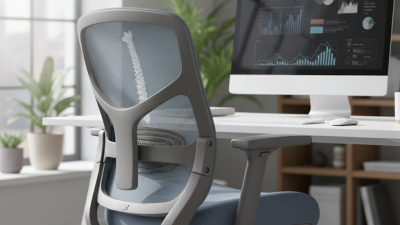
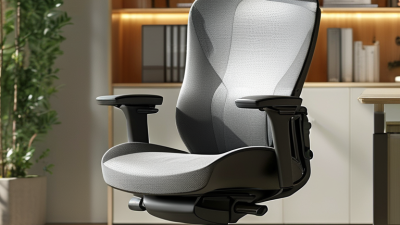
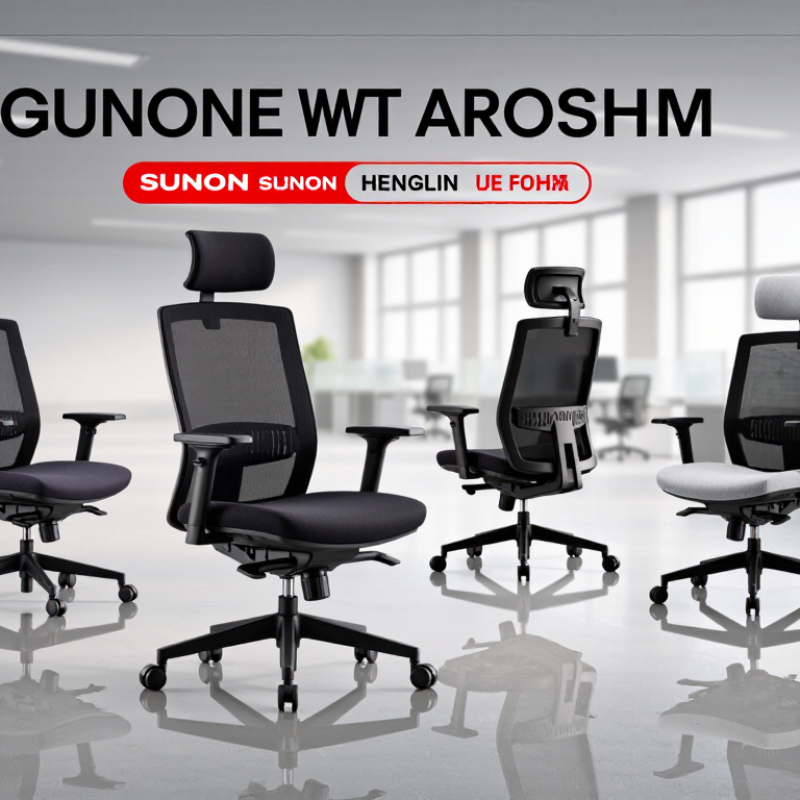
China’s task chair industry has moved far beyond basic swivel seating. Manufacturers now compete through breathable mesh, synchronized mechanisms, adjustable lumbar support, and recyclable materials. SUNON, Henglin, UE Furniture, and several Foshan-based specialists have built strong export capabilities. Their products appear in offices, call centers, coworking spaces, and home workstations.

Industry data explains this growing competition. Grand View Research valued the global office furniture market at approximately USD 58.1 billion in 2023. Its report expects continued growth through 2030, supported by hybrid work and workplace modernization. The China office furniture sector also benefits from mature component supply chains and large-scale manufacturing. However, factory volume does not automatically mean better ergonomics. That distinction matters.

Cornell ergonomics expert Dr. Alan Hedge has repeatedly emphasized, “The best posture is the next posture.” His point is practical: a task chair should encourage movement, not lock the body into one position. BIFMA performance standards and ISO 9241-5 guidance provide useful reference points, but certification alone cannot measure every user’s comfort. A 180-centimeter executive and a 155-centimeter operator may experience the same chair differently.

This guide examines leading China task chair manufacturers through product design, mechanism quality, testing, customization, export experience, and after-sales reliability. It considers details buyers can feel, such as a lumbar pad that stays in place or armrests that wobble after six months. Some rankings may remain debatable. That is intentional. Supplier claims deserve verification, factory audits, and real-world sampling before purchase.
What Are the Top China Task Chair Manufacturers?

Understanding China’s Task Chair Manufacturing Industry

China’s task chair manufacturing industry has developed through strong supply networks, skilled upholstery teams, and large-scale production. Manufacturers commonly source frames, casters, foam, mesh, and mechanisms from nearby industrial clusters. This proximity can shorten production cycles and simplify component checks. However, quality still varies between factories. A polished showroom sample does not always represent every production batch.

The strongest manufacturers usually provide clear material specifications, load-testing records, ergonomic measurements, and traceable quality procedures. Experienced buyers should inspect welding points, gas-lift movement, recline control, lumbar support, and caster stability. Factory visits can reveal details that catalogs hide, such as crowded inspection areas or inconsistent stitching. Independent testing may also help verify durability and safety claims. Certifications matter, but they should match the target market and product requirements. I have found that communication is equally important. A factory that explains limitations honestly may be more reliable than one promising everything.

Tips: Request a pre-production sample and test it for several days. Ask how defects are recorded and corrected. Confirm packaging strength with a drop or vibration test. Do not judge a chair by appearance alone. Some designs feel comfortable briefly, then create pressure after long desk sessions. Even careful evaluations can miss problems, so keep written standards and review the first shipment closely.

Key Factors for Evaluating Task Chair Manufacturers in China

Evaluating task chair manufacturers in China requires more than comparing catalog prices. Start with factory experience, engineering capability, and production control. Ask how long the facility has made office seating. Request process photos, material specifications, and recent quality records. A polished showroom can mislead.

Check the chair’s structure in detail. Inspect the frame, base, casters, gas lift, foam density, and mesh tension. Reliable manufacturers should provide test reports for durability, load capacity, stability, and flammability where required. Request samples from normal production, not specially prepared units. Sit in them for several hours. Small issues become obvious then, especially pressure points and loose mechanisms.

Production capacity also matters. Visit the factory, or arrange an independent audit when travel is difficult. Review incoming-material checks, assembly inspections, packaging tests, and defect handling. Ask whether key components are traceable by batch. Clear answers show stronger management. Vague promises do not.

Communication is another practical measure. Engineers should explain adjustments, tolerances, and replacement procedures without hiding limitations. Confirm tooling costs, minimum order quantities, lead times, spare parts, and warranty responsibilities in writing. Custom colors may look simple, but they can create delays or inconsistent finishes. I have seen attractive prototypes fail during scale production. That risk deserves attention. A manufacturer that admits weaknesses may prove more dependable than one offering perfect claims. Evaluate evidence, not confidence.

What Are the Top China Task Chair Manufacturers? - Key Factors for Evaluating Task Chair Manufacturers in China

No. Evaluation Dimension Recommended Benchmark What to Verify Suggested Weight Priority
1 Quality Management System A documented quality system with controlled procedures and traceable corrective actions. Check the validity and scope of ISO 9001 certification, internal inspection procedures, defect records, and corrective-action reports. 15% Very High
2 Product Safety and Durability Products should be tested against applicable office-chair safety and durability requirements, such as ANSI/BIFMA seating standards or EN 1335 where relevant. Request complete test reports, including caster, base, armrest, backrest, seat, tilt mechanism, and stability testing. 15% Very High
3 Manufacturing Capability Suitable production capacity, dedicated assembly lines, documented work instructions, and stable process control. Review factory layout, key equipment, monthly capacity, production lead time, in-process inspection points, and capacity during peak seasons. 12% Very High
4 Ergonomic Design Capability Adjustable seat height, seat depth, backrest support, recline tension, armrests, and lumbar support appropriate for the target users. Evaluate adjustment ranges, user-size coverage, mechanism performance, comfort-test procedures, and available design or engineering support. 12% Very High
5 Material and Component Control Consistent specifications for steel, aluminum, plastics, foam, fabric, mesh, gas lifts, casters, and fasteners. Ask for material specifications, incoming-inspection records, supplier qualification procedures, batch traceability, and restricted-substance documentation. 10% High
6 Customization and OEM/ODM Support Ability to modify dimensions, upholstery, colors, packaging, labels, mechanisms, and product documentation. Confirm tooling ownership, minimum order quantities, prototype charges, sample approval stages, engineering change control, and intellectual-property procedures. 10% High
7 Export and Compliance Experience Demonstrated ability to prepare export documents and meet the regulatory requirements of the destination market. Verify relevant compliance files, product labels, customs documentation, packaging requirements, and experience with the destination country. 8% High
8 Lead Time and Supply Reliability Clear production schedules, realistic delivery commitments, and defined procedures for handling shortages or delays. Review historical on-time delivery performance, capacity reservations, safety-stock policies, and business-continuity plans. 7% High
9 After-Sales Service and Warranty Written warranty terms, spare-parts availability, technical support, and a defined process for claims and replacements. Check warranty duration by component, response-time targets, replacement-part pricing, claim records, and escalation procedures. 6% Medium
10 Cost Transparency and Total Cost A quotation that clearly separates product price, tooling, packaging, testing, shipping terms, spare parts, and potential service costs. Compare landed cost, payment terms, tooling amortization, packaging efficiency, defect-related costs, and warranty provisions rather than unit price alone. 5% Medium
Total Evaluation Weight 100% Use for Shortlisting

Note: Applicable testing and compliance requirements should be confirmed according to the destination market, product specification, and intended commercial use.

Leading Types of China Task Chair Manufacturers

China task chair manufacturers generally fall into several practical categories. OEM factories produce chairs to a buyer’s specifications, including seat foam, fabric, base color, and packaging. ODM manufacturers offer tested designs that can be adjusted for different markets. This option often reduces development time and tooling costs. Large contract furniture factories focus on volume orders, automated cutting, injection molding, and stable delivery schedules. Smaller ergonomic specialists usually provide more flexible customization and closer product communication.

Ergonomic task chair manufacturers concentrate on adjustable lumbar support, breathable mesh, seat depth, and synchronized reclining mechanisms. During supplier evaluations, buyers should inspect assembly lines, material storage, stitching quality, and load-testing procedures. A reliable factory should provide clear test records, production samples, and traceable quality checks. Ask how rejected parts are handled. The answer matters.

Export-oriented manufacturers may understand packaging requirements, documentation, and international customer service better than domestic-focused suppliers. However, export experience does not guarantee consistent quality. A chair can look polished in photographs but feel unstable after several hours of use. I have seen specifications change quietly between samples and mass production, especially with casters and gas lifts. That weakness deserves attention. Buyers should compare approved samples with random finished units, measure adjustment ranges, and test chairs on hard floors and carpets. No factory is perfect. The strongest suppliers usually admit limitations, explain corrective actions, and keep those changes documented.

Manufacturing Standards, Materials, and Customization Options

What Are the Top China Task Chair Manufacturers?

Top China task chair manufacturers are usually distinguished by controlled production, traceable materials, and documented testing. Buyers should review quality systems such as ISO 9001 and request test reports for relevant office chair standards. BIFMA or EN 1335 testing can help verify stability, durability, and ergonomic performance. Factory audits also reveal practical details, including welding quality, inspection records, and packaging protection.

Materials affect both comfort and service life. Breathable mesh supports airflow during long work sessions, while molded foam provides softer pressure distribution. A reinforced nylon base can reduce weight, but aluminum offers greater structural confidence. Check the gas lift class, caster strength, and tilt mechanism cycle results. Small details matter. Loose armrest joints can become annoying within months.

Customization may include seat dimensions, mesh colors, foam density, armrest functions, base finishes, and carton design. Experienced manufacturers normally provide drawings, material samples, prototypes, and pre-shipment inspections. Ask how they control color differences between production batches. This issue is easy to underestimate. A custom logo is simple; changing the back frame or seat structure requires engineering review, tooling, and realistic order quantities. Some suppliers promise too much before testing. That should invite careful questions, not immediate trust.

How to Select the Right China Task Chair Manufacturer

Selecting the right China task chair manufacturer requires more than comparing catalog prices. In practice, a reliable supplier should explain foam density, gas-lift class, base strength, and adjustment cycles clearly. Ask for current test reports against BIFMA X5.1 or EN 1335 requirements. A factory that avoids technical details deserves caution. Fortune Business Insights valued the global office chair market at approximately USD 12.67 billion in 2023, but report figures vary by product definition and region.

Audit production before negotiating volume. Review metal stamping, welding, upholstery, and final inspection areas. Request samples from the same production line used for mass orders. Check whether lumbar support remains stable after repeated adjustments. It should not wobble.

Also examine carton protection, spare-part policy, lead times, and defect records. ISO 9001 certification can support process control, but it does not guarantee comfortable design or consistent ergonomics. That distinction is often missed.

Use a small pilot order before signing a long contract. Measure seat height, armrest range, recline resistance, and noise during real office use. A 2024 Grand View Research report projected continued growth in the ergonomic chair market, driven partly by workplace health concerns. Demand alone does not prove supplier capability. Ask for material declarations and third-party verification where markets require them. I would also compare three factories, not ten; too many quotations can hide weak technical differences. A low unit price may become expensive after replacements, delays, and user complaints.

Request More Information