Why Choose Aerogel Blanket for Thermal Insulation Solutions?
In the pursuit of effective Thermal Insulation, Aerogel Blankets stand out as a premier choice. These innovative materials are engineered to minimize heat transfer while maintaining a lightweight profile. According to a recent report by the Global Insulation Industry Committee, the aerogel market is projected to grow by 20% over the next five years. This statistic underscores the increasing recognition of the advantages Aerogel Blankets offer in various sectors, including aerospace and construction.
Dr. Emily Carter, a leading expert in advanced insulation technologies, emphasizes, “Aerogel Blankets are revolutionizing insulation by offering efficiency combined with versatility.” Her insights reflect a growing trend where industries are prioritizing sustainability and energy efficiency. Despite their many benefits, some challenges remain, such as the initial cost and fragility of these materials.
In considering the broad range of thermal insulation solutions, Aerogel Blankets are noteworthy for their superior performance. However, continued research is essential to address their limitations and optimize their applications. Balancing cost with innovation may prove difficult, but the potential advantages justify the exploration of this remarkable material.
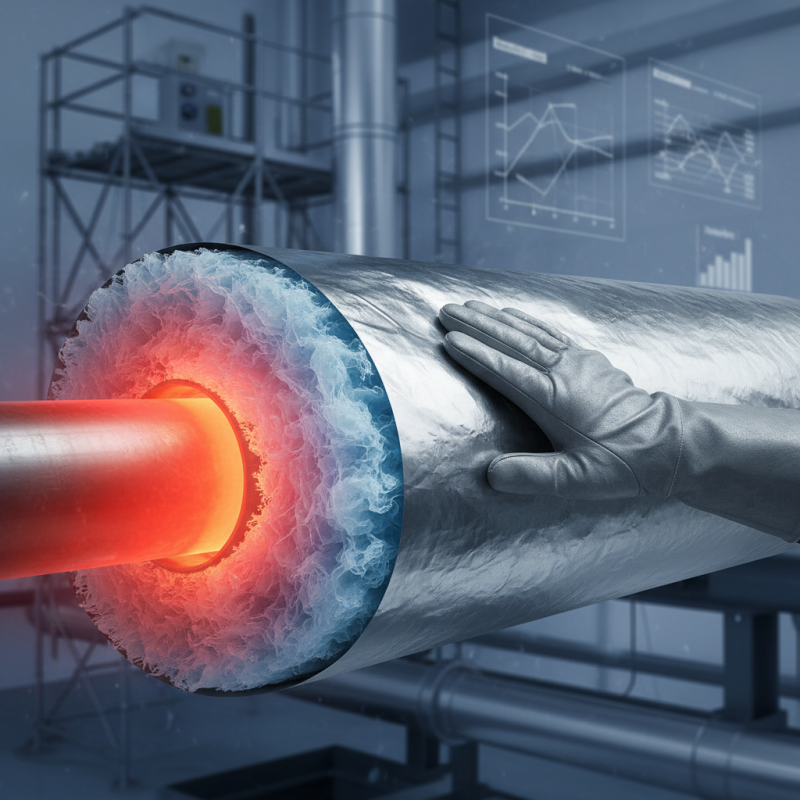
What is Aerogel and How Does It Work for Thermal Insulation?
Aerogel is a remarkable material known for its superior thermal insulation properties. It consists of over 90% air, making it one of the lightest solid materials. This unique structure allows aerogel to achieve an impressive thermal conductivity of around 0.013 W/m·K, significantly lower than traditional insulation materials. According to a report by the U.S. Department of Energy, aerogel can provide performance that is up to 2.5 times more effective than fiberglass and foam insulations.
The effectiveness of aerogel lies in its nanostructure. The tiny pores within the aerogel trap air and minimize heat transfer. This results in less energy consumption for heating and cooling, promoting sustainability. However, its high manufacturing cost can be a barrier for some applications. Despite improvements, the affordability of aerogel blankets remains an ongoing challenge.
In insulative applications, aerogel blankets are especially useful in extreme environments. For example, they maintain optimal temperatures in space missions and critical industrial processes. While the performance is impressive, manufacturers must continue addressing the scalability of production. These aspects highlight the potential and limitations of this innovative material in the thermal insulation market.
Key Properties of Aerogel Blanket as an Insulation Material
Aerogel blankets are revolutionizing the thermal insulation landscape. Their unique properties offer significant advantages in various applications, ranging from industrial processes to building insulation. One standout characteristic is their lightweight nature. Aerogel blankets are far lighter than traditional insulation materials, making them easier to handle and install. This quality minimizes structural load.
Another key feature is their exceptional thermal resistance. Aerogel blankets can withstand extreme temperatures while maintaining their insulating effectiveness. They resist heat transfer more efficiently than many other insulation types. This property can translate into energy savings for industrial applications and enhanced comfort in residential settings.
However, aerogel blankets require careful handling due to their delicate nature. This fragility could pose challenges during installation and transportation. While they offer remarkable insulation, their cost can be higher than conventional materials. Users must evaluate their specific needs before choosing aerogel blankets. When used correctly, they deliver outstanding thermal performance and durability.
Why Choose Aerogel Blanket for Thermal Insulation Solutions? - Key Properties of Aerogel Blanket as an Insulation Material
| Property | Description | Benefits |
| Thermal Conductivity | Extremely low thermal conductivity, typically around 0.013 W/m·K. | Provides superior insulation, reducing heat loss and energy costs. |
| Lightweight | Aerogel blankets are significantly lighter than traditional insulation materials. | Easier handling and installation, reducing labor costs. |
| Hydrophobic Properties | Repels water, preventing moisture absorption. | Maintains insulation performance and prevents mold growth. |
| Fire Resistance | Inherently non-combustible and high thermal stability. | Enhances safety in insulation applications. |
| Versatility | Can be used in a variety of applications, from industrial to residential. | Adaptable to different shapes and temperatures, providing comprehensive solutions. |
| Durability | Long-lasting with minimal degradation over time. | Reduces the need for frequent replacements, ultimately saving costs. |
Comparative Analysis: Aerogel vs. Traditional Insulation Materials
Aerogel has emerged as a leading choice for thermal insulation, thanks to its unique physical properties. Compared to traditional materials, aerogel offers significantly lower thermal conductivity. This means it keeps spaces warmer in winter and cooler in summer more effectively. Traditional insulation materials often require more space. Aerogel, however, provides the same insulation with a much thinner profile. This could be crucial in construction, where every inch counts.
Yet, it’s important to consider the practicality of aerogel versus traditional options. Traditional materials, such as fiberglass or foam, have been around for decades. They are often more familiar to contractors and builders. Aerogel can be more expensive, leading to concerns over budgeting. Additionally, while aerogel is lightweight, its handling may require more care. This is a trade-off that builders need to understand. It’s essential to weigh the benefits of superior insulation against cost and ease of application.
In many scenarios, traditional insulation suffices and achieves the desired results. Aerogel shines in specialized applications where efficiency is critical. For instance, aerospace and high-performance buildings make good use of aerogel’s properties. However, the question remains: is aerogel worth the investment for standard settings? A deeper analysis of specific project requirements is crucial for a knowledgeable decision.
Applications of Aerogel Blankets in Various Industries
Aerogel blankets are increasingly used across various industries for their outstanding thermal insulation properties. In aerospace, these blankets help protect sensitive equipment from extreme temperatures. By effectively minimizing heat transfer, aerogel blankets ensure optimal performance of critical systems in flight. This application showcases their ability to withstand harsh environments.
In the construction sector, aerogel blankets are a game-changer. They provide high thermal performance with minimal thickness, making them ideal for space-constrained projects. Buildings insulated with these materials achieve better energy efficiency. Yet, the initial cost can be a concern. Companies must weigh the long-term energy savings against upfront expenses.
The oil and gas industry also benefits from aerogel blankets. They offer excellent insulation in pipelines, reducing energy loss during transportation. However, the challenge lies in ensuring proper installation. An improper fit can reduce the effectiveness of the insulation. Continuous training for workers in this area is essential for maximizing the usage of aerogel blankets.
Cost-Efficiency and Sustainability of Using Aerogel for Insulation
Aerogel blanket has emerged as a preferred choice for thermal insulation. It combines impressive thermal performance with cost-effectiveness and sustainability. Aerogel demonstrates excellent insulation capabilities due to its structure. This porous material traps air and reduces heat transfer. It can significantly lower energy consumption in buildings, which is essential for long-term savings.
In terms of sustainability, aerogel is lightweight and versatile. Its production often utilizes environmentally friendly processes. This reduces overall carbon emissions. Additionally, the longevity of aerogel means that it does not need frequent replacements. However, some may find the initial investment daunting. It's critical to weigh short-term costs against long-term benefits.
Furthermore, aerogel's insulation efficiency can lead to smaller heating and cooling systems. This ultimately reduces energy consumption. While aerogel is not a one-size-fits-all solution, its potential is substantial. The material is still evolving, with ongoing research exploring its full capabilities. Emphasizing these details can guide informed decisions in insulation projects.
