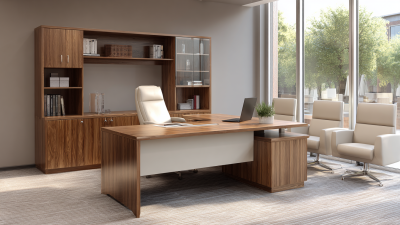
Why Choose an Executive Office Desk?

An executive office desk is more than a broad surface behind a closed door. It shapes how a leader works, meets visitors, and manages the small demands of a busy day. Architect Frank Lloyd Wright captured a useful design principle: “Form and function should be one, joined in a spiritual union.” His words were not about executive desks specifically, but they explain why appearance alone is not enough. A thoughtful desk should support real work while fitting the character of the room.

Picture a walnut desktop with enough depth for a laptop, open documents, and a coffee cup that is not balanced near the edge. Drawers keep frequently used items close; cable access prevents chargers from spreading across the floor. These details can make an executive office desk feel composed without turning it into a showpiece. That matters. Still, no desk can repair a crowded schedule or poor office layout. Buyers sometimes focus too heavily on polished finishes and overlook chair clearance, screen height, and how often they meet guests. That is an easy mistake.

This outline explores the practical reasons to choose an executive office desk, from storage and durability to professional presence and workspace fit. It also considers materials, dimensions, and common purchasing trade-offs. The right choice depends on the person using it, not just the photograph in a catalog. A beautiful desk may still feel wrong after a week. That deserves a second look.
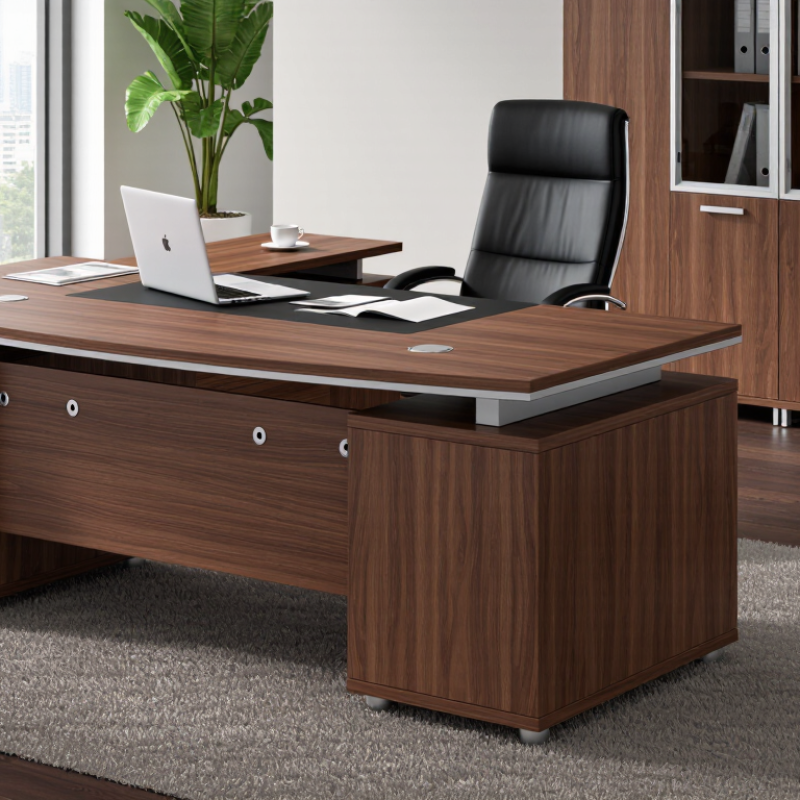
Why Choose an Executive Office Desk?

What Defines an Executive Office Desk?

What Defines an Executive Office Desk?

An executive office desk is defined less by size than by how it supports focused work, meetings, and a room’s visual order. Its stable surface should hold a monitor, open documents, and a writing area without crowding your elbows. Storage keeps papers nearby, while a clear top makes conversations feel less cluttered. That matters. Quality also shows in practical details: smooth drawer movement, durable edges, and enough legroom for long work sessions. An imposing desk is not always a useful one.

Gallup’s 2024 State of the Global Workplace report found that 23% of employees worldwide were engaged in 2023. That figure does not measure furniture, and a desk cannot fix engagement. Still, the work environment deserves attention.

Comfort depends on the whole setup, not the desk alone. Keep the keyboard close, place the screen at a comfortable height, and leave space to shift your legs. ANSI/BIFMA X5.5 sets performance criteria for desk and table products, including stability and durability. Check cable access and knee clearance in person, if possible. One trade-off is easy to miss: deep drawers can reduce usable leg space. Measure your room, then reconsider the layout after a week of actual use.

How Desk Size and Layout Support Daily Work

An executive desk earns its place when its size fits the work, not just the room. A 60-by-30-inch surface can hold a monitor, laptop, and open notebook without forcing everything to the edges. If daily tasks include reviewing large plans or spreading out paperwork, extra width may help. Measure the room with the chair pulled back, too. A desk that looks spacious in a floor plan can leave little room to move once drawers open. Small detail. It matters every day.

Layout affects how smoothly work flows. Keep the main screen in front, frequently used documents within easy reach, and charging cables routed away from writing space. A return or side cabinet can separate computer work from signing papers, but it may also interrupt movement in a compact office. Leave clear space behind the chair, and check that visitors can approach without squeezing past furniture. The best arrangement depends on actual habits, not a showroom display. I would still question whether every executive needs a large desk; unused surface can become a landing zone for clutter. Test the layout with a chair, monitor, and a few real work items before committing.

Which Materials and Features Affect Durability?

A durable executive desk starts with its core, not its finish. Solid wood can be repaired, but it may move as humidity changes. Quality plywood resists warping when its layers are well bonded. Steel frames handle repeated loading, though thin sections can flex. A heavy top alone proves little. Check the joints, support rails, and underside.

Surface choice affects daily wear. High-pressure laminate tolerates coffee rings and frequent wiping; veneer offers a natural grain but needs gentler care. Inspect edges closely. A chipped corner can expose the substrate to moisture. The U.S. EPA’s Advancing Sustainable Materials Management: Facts and Figures 2018 estimated that 12.1 million tons of furniture and furnishings entered the U.S. waste stream that year. That figure is a useful reminder: repairable construction matters, even if it cannot predict one desk’s lifespan.

Look for stable legs, replaceable feet, and drawers with sturdy slides. BIFMA’s X5.5-2021 standard evaluates desk strength, stability, and durability using defined tests. Ask whether a desk has been tested to that standard, and check what the warranty actually covers. A few details are easy to miss. I would also test the desk in person: press lightly on a corner and feel for wobble. This is not a perfect test, but it can reveal weak assembly.

How an Executive Desk Supports Workspace Organization

An executive desk can make everyday work easier to manage by giving essential items a clear place. A broad surface separates a laptop, working documents, and a notepad without forcing them into one crowded stack. Drawers keep spare chargers, pens, and folders close but out of sight. Small changes help.

Organization works best when the desk matches the way someone actually works. Keep frequently used items within reach, and place reference materials in a drawer or vertical file nearby. A desk with cable openings can reduce the tangle behind a monitor, while a modest tray can stop loose papers from spreading across the surface. Clear paths matter.

The desk itself cannot fix a cluttered routine. Too many drawers may simply hide unfinished paperwork, and a surface that is too large can collect things that do not belong there. It helps to review the layout after a few weeks: notice what stays untouched, what gets misplaced, and what needs to be closer. One awkward detail may remain, such as a drawer that catches on a chair, but that is useful feedback for adjusting the workspace. A practical setup should feel easy to maintain, not merely look tidy.

Why Choose an Executive Office Desk? - How an Executive Desk Supports Workspace Organization
Workspace Dimension How an Executive Desk Can Help Practical Organization Approach
Work surface A broad desktop can provide space for a computer, documents, and frequently used work materials at the same time. Keep daily-use items within reach and reserve a clear area for writing or reviewing paperwork.
Document storage Drawers or file storage, when included, can keep papers and office supplies off the main work surface. Sort documents by project or action needed, and store sensitive records in an appropriately secure location.
Work zones A larger desk can make it easier to separate computer work from paper-based tasks. Assign distinct areas for your monitor, active documents, and items awaiting follow-up.
Cable management Cable openings or built-in routing features, if provided, can help guide cords away from the desktop. Group cables by device and keep power cords clear of walkways and moving parts.
Meeting and collaboration The desk’s layout may offer room to consult documents or use a laptop during a discussion, depending on the available space. Keep shared materials together and leave enough clear surface for the people and tools involved.
Personal setup Executive desks are available in different sizes and configurations, allowing a setup to be matched to the room and work routine. Measure the room, allow space for the chair and drawers, and choose a layout that supports comfortable access.

What Factors Help You Choose the Right Executive Desk?

Why Choose an Executive Office Desk?

What Factors Help You Choose the Right Executive Desk?

The right executive desk should fit your work, room, and daily habits—not just look impressive. Measure the available space, including the chair’s path and room to open drawers. Measure twice. A wide desktop can hold a monitor, laptop, and papers, but too much surface may make a small office feel crowded.

Think about how you work. If you handle documents often, shallow drawers or a side cabinet can keep active files within reach. Check desk height against your chair, and leave enough space for your knees. For video calls, consider where the desk faces: a window behind you can create glare, while a plain wall may look calmer on screen. Small details matter.

Materials and construction affect both appearance and long-term use. A solid, stable frame helps prevent wobbling when you type; sealed surfaces are easier to clean after coffee spills. Check the edges, drawer slides, and cable openings in person when possible. A heavy desk can feel substantial, yet it may be difficult to move later. There is no perfect choice. Some people need storage more than legroom, and that trade-off is worth noticing before buying.

Why Choose an Executive Office Desk?

Typical planning ranges for choosing a desk that fits your workspace and work style

Desk dimensions are practical planning ranges, not universal standards. Choose a width and depth that accommodate your equipment and available room, and check that the desk height works comfortably with your chair and posture.

Request More Information